
Hello, everybody! Inflation is a big problem in this socialist country, the leaders have ran this country into the ground. It is affecting everyone, people skip meals just to get by because the price of basic groceries and shot up the roof. When fuel and food prices go up, everything else follows. In these trying times, it is best to be frugal. This hobby isn’t cheap and those who say that shooting film is cheaper than shooting a digital camera don’t know about economics. The good thing is there are always cheaper alternatives, you just need to know what to look for and where. In my case, it came as a surprise, more like an accident. It’s interesting and I’d like to share my findings with you. I’m not a “cheap-Charlie” but I welcome any form of savings, that’s just called being practical.
Introduction:
The Reflx Lab 800 is a film that’s respooled and marketed by a Chinese company in Shenzhen, I did not know about it at first but doing a bit of research revealed what I need to know about this company. It’s refreshing to see some newcomers into the market and it is interesting to know more about what they have to offer to the community. For this company, it’s cheaper versions of the products made by more established brands. They’re not entirely knock-offs but they have benefited from other people’s idea. In this case, it’s repackaged Kodak VISION3 500T Color cinema film. While the idea to do this is not theirs, I will applaud them for being transparent at least and state which stock their product came from.

It comes inside a metal canister which you can use to store weed or anything else, I don’t think that it’s necessary because it just adds to the cost of this product. The price is not so bad, in fact, it costs much cheaper compared to its rival.
For decades, people have been respooling cinema film and shooting it just like regular photographic film. It’s cheaper because they’re only sold in bulk and they have very interesting qualities that’s tailored to the special needs of shooting motion pictures. The biggest difference in use is you will not be able to process these films with a regular laboratory machine, that’s because it has a black layer to protect the emulsion from reflections coming from the pressure plate. Motion picture cameras have shiny pressure plates since it shoots at several frames per second and film will rub them to a shiny finish, sometimes even rubbing it down to bare metal. This black layer is called rem-jet, it can be removed before you process the film. This process is laborious and not profitable for film laboratories and if you did not strip the layer completely it will ruin the chemistry and cause the machine to jam, which requires an expensive overhaul. This is why it is mostly confined to individuals who are really into this aspect of photography. There is definitely a need for this and so a market has formed which is being dominated by one brand for some time, but that isn’t going to be the case for long.
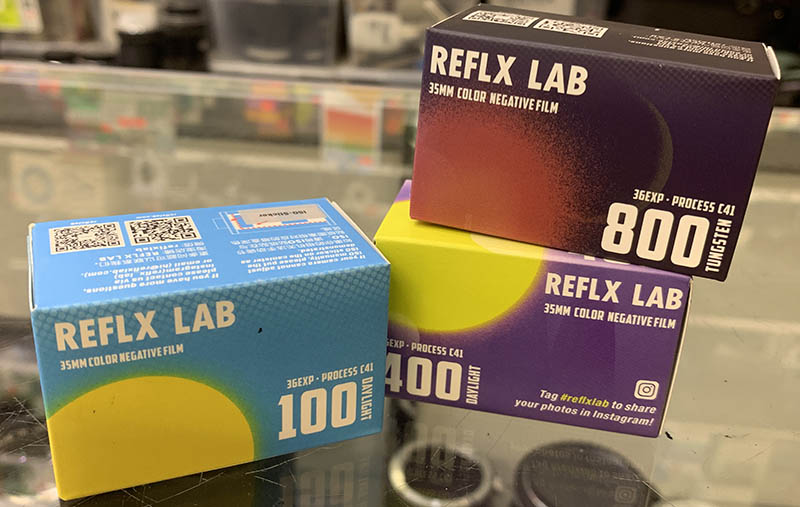
The company also produces several other stocks, you can try them out if you want to. I personally do not buy these “specialty” films, I only do this for my readers.
Enough of the talk, let’s now see what this is all about. Here’s a disclosure, I did not knew what to expect from this, I was expecting that it would be just any other regular film but I was surprised when I saw that my negatives and scans look similar to the Cinestill 800T. I only found out about it after some reading, It’s really interesting how things turned out between these companies but I won’t get into the details because I don’t care for both. Nobody paid me for my opinions and I will give it out as I see it.

It’s fine-grained, as expected, nothing new to see here.

It performs really great for shooting in lowlight situations with artificial lighting, this is the best use-case for this film.

Halation is to be expected, I was not aware of the true nature of this film when I shot it so it came to me as a surprise when I saw my processed rolls, I thought that it reminds me of Cinestill 800T. The halation is a result of removing the rem-jet layer, without this layer, bright sources of light will form a halo which is a result of light reflecting from the camera’s pressure plate.

Shooting at night or any dimly-lit scenes require that you use a spotmeter, there’s no other way around it. Without it, you won’t be able to get good exposures.

The dynamic range is good as expected, allowing you to retain some details in the shadows. This will also work with overblown areas, but not as much.

Stage photography is also another use-case, you need to be careful because the lighting condition is not going to be consistent so you should adjust your settings accordingly.

Exposing for the brighter parts of your scene will help ensure that you won’t get overblown highlights. It’s important specially when the main subject is brighter than the rest of the scene.

Here’s another example where the film’s latitude is put to the test when shooting at box-speed.

Of course, halation is easy to trigger with this film, it’s something that you should be mindful of specially if your scene has a lot of lights.













(Click to enlarge)
Here’s the rest of the roll. I did not know that it’s just a respooled movie film, if I did then I would have to shoot it differently, taking its special properties into mind. I was pleased to see the results and also a bit baffled until I read what it’s all about.
Will I recommend this film? I don’t know, it’s cheaper than Cinestill 800T, maybe that’s enough for some. I can afford spending the extra bucks myself so I would rather stick to something that I am familiar with. To some people, knowing the country of origin is just as important, if that matters to you then just buy those brands that are made from thee countries you support. That to me is a more valid reason to skip this. I do welcome competition of any kind so this film is a welcome addition to the market, that’ll keep the heads of the big brands small, I never liked monopolies of any kind be it small or big. This will be my last roll, it’s not because I support freedom, it’s just that I do not shoot with this kind of film as much. I hope that my photos and my insight will help you choose which one to purchase.
That’s all for today, if you enjoy my article, please share it with your friends. You can also support the blog like what many good people do, a small donation goes a long way because I refuse to do sponsored and solicitated content, everything here comes from my own pocket so I am free to say what I can, such is the joy of living in freedom. Your support helps me offset the cost of purchasing, developing and processing film, it also ensures that the site is kept up for more people to enjoy. See you guys again, Rick.
Help Support this Blog:
Maintaining this site requires resources and a lot of time. If you think that it has helped you or you want to show your support by helping with the site’s upkeep, you can make a small donation to my paypal.com at richardHaw888@gmail.com. Money is never my main motivation for this blog and I believe that I have enough to run this but you can help me make this site (and the companion facebook page) grow.
Leave me some tip?
Thank you very much for your continued support!
$2.00
Helping support this site will ensure that it will be kept going as long as I have the time and energy for this. I’d appreciate it if you just leave out your name or details like your country’s name or other info so that the donations will totally be anonymous. This is a labor of love and I intend to keep it that way for as long as I can. Ric.
 Richard Haw's Classic Nikon Repair and Review
1 Comment (+add yours?)