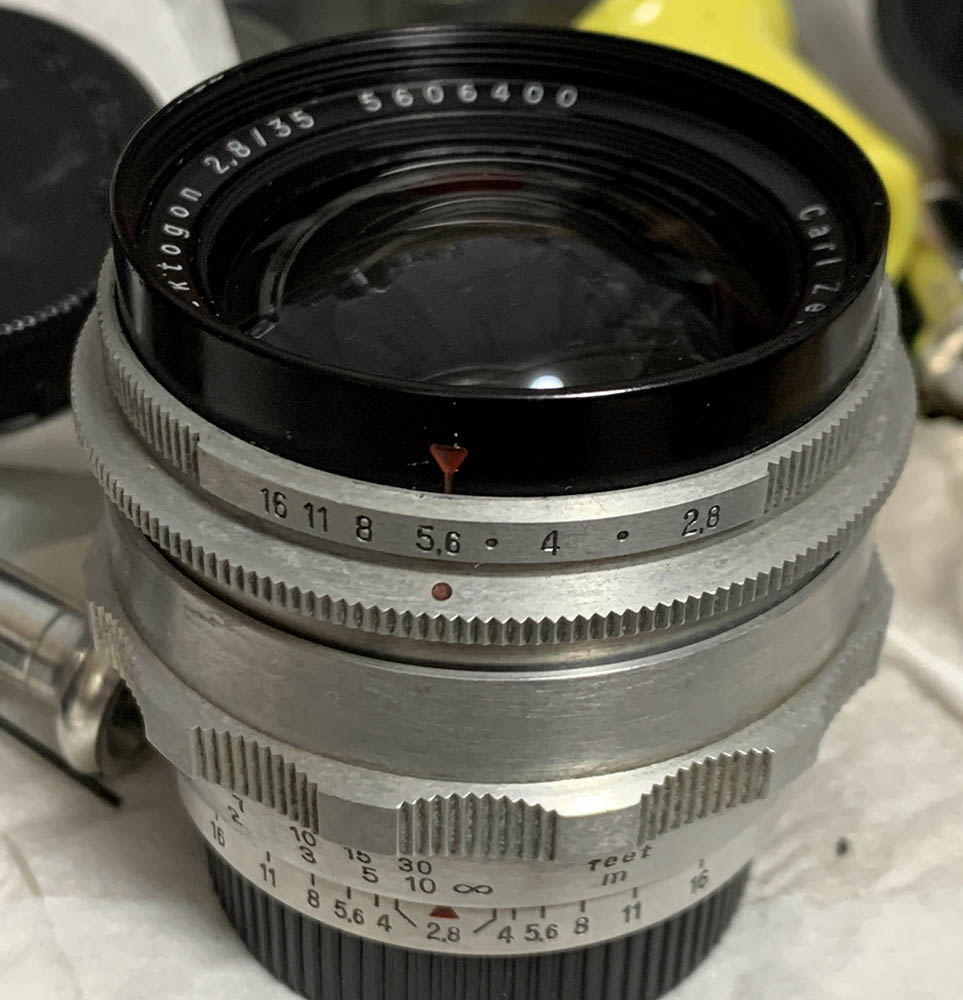
Hello, everybody! Do you know that I also teach martial arts? I needed to move more since I am now a middle aged man! I have been doing kung fu for years but I stopped when I moved to Japan because it’s safe over there. It has saved my life a few times, I have fought robbers and got into street fights in my youth and came out alive. I grew up in a racist society where people who look like me are targets for crime and many other things, that’s why we’re called the “Jews of Asia“. Going back to martial arts, I have taught a few people and some of them may have surpassed me in ability but not in the in-depth understanding of the art. They are now able to kick my ass in a real fight. I do not see that as a threat but I see that as a testament of my teaching prowess instead. It’s very rare to find somebody who is willing to pass the torch and even rarer to find someone who is willing to take it. Today, I’ll tell you such a story where the student surpassed the master. It’s the story of how the Japanese idolized and learned from the Germans and how the former has surpassed the latter. The Japs sure slapped the Germs in this one and they won’t recover from it at all and now concentrates on making men’s jewelry that just so happens to take photos. Read the article to know what it’s all about!
Introduction:
The Nikkor-P•C 8.5cm f/2 (Nikon S-Mount) is a very important lens for the Japanese photographic industry because it introduced Nikkors to the world due to its excellent sharpness which even bested the German original where it was copied from. The person who was responsible for bringing the world’s attention to Nikkors is no other than the later David Douglas Duncan. It was when he saw what the photographer Miki Jun was shooting with and found out that the sharp photos were taken with Japanese glass instead of the the German ones that made him curious as to who and where these excellent lenses were made and by whom. His discovery led to him being an advocate for Nippon Kogaku which will be known as Nikon decades later. Such is the historical impact of this lens that without it the impression of the Japanese postwar industry would have been very different and history would not be as we know it. It’s with no exaggeration that I say these words.
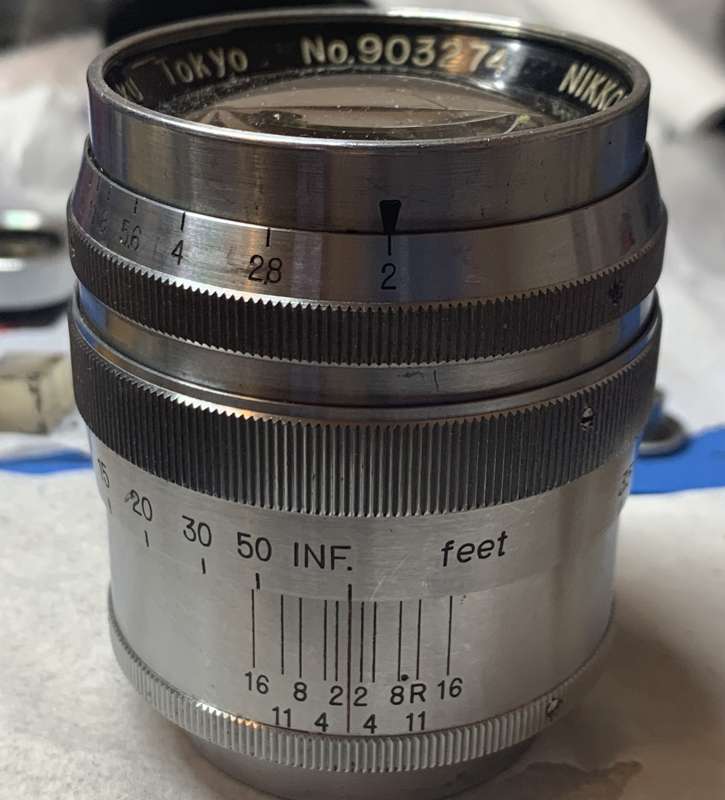
The build is exceptional, as you would expect from this era of Nikkors! Everything is made made of metal and there’s a certain heft to it. Most importantly, it feels somewhat heavier than the later versions for some reason which we will see later in this article. See that the markings are different compared to the Nikkor-P•C 8.5cm f/2 (Nikon S-Mount). The most important thing is it can only go down to f/16 and nothing more. This will be the biggest factor in differentiating how this performs compared to the later versions.
More