Hello, Everybody! How are you guys today? I’m stuck at home today to take care of baby. It was a very tiring day because my toddler is full of energy! Cameras are like humans in a way in that they come out of the factory working fine but as they age and wear it will begin to show and the performance will deteriorate. I am in my mid-life and I feel like an old man now as the years of abuse is finally taking it’s toll on my health. The good thing with cameras is that you can fix them to a certain extent or change the parts to make it work closer to factory specifications and today, I am going to show you how to perform a simple maintenance routine for your 60 year-old Nikon SP/S3/F/ and even the Nikon F2!
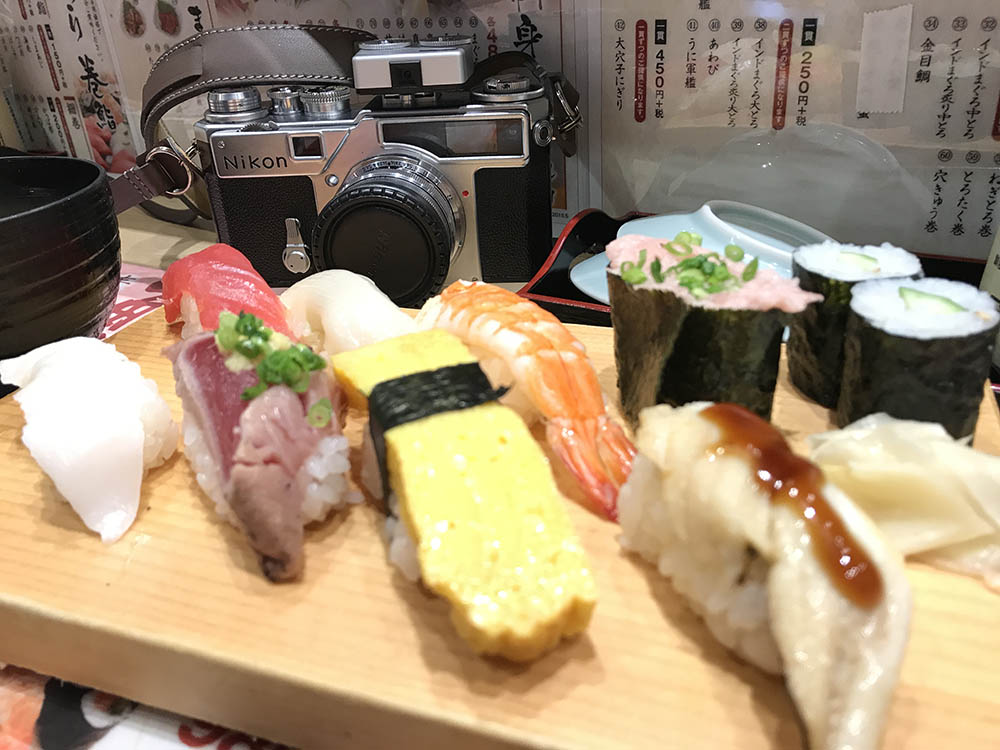
Look at all the yummy food! This sushi place has an all-girl staff. I would rather prefer to eat one prepared by a pretty young woman than a middle-aged Japanese chef obviously.
Hello, everybody. This video is kind of late and I should have made this years ago. I was a bit busy but I finally found some time to make a video about this topic. Beginners usually face this problem and quit It so I hope that this video will reach somebody in trouble and I hope that I can help him before it is too late.
Oh, the seasons are changing. We are now entering mid-Spring and the weather here in Tokyo is beginning to get warmer and more humid but it is still relatively cool specially if you compare it to the punishingly hot summers here in Tokyo. This transitional weather is making me sick and I have another gout attack again so quality of life has gone down a bit. Speaking of transitional, I am going to show you a very important transitional lens in this week’s article so please stay and read along.
Introduction:
We’re going to continue with our series on the 105/2.5 family of lenses and the next one’s the successor to the previous one that we discussed last month. This one came with better coatings and hence it’s called Auto-Nikkor-P.C. 105mm f/2.5! The “C” stands for “coated” so Nikon’s marketing is simply reminding you that this lens is different and that you should buy it in case your lens is not coated. Sarcasm aside, this is an awesome lens and I shoot with this lens quite often because of the unique look that it gives to my pictures.
This lens came to me in a rough state but the glass was clean so I did not bother to open the objective up to clean it as it would be pointless. Looks like a pro used this lens as you can see from the wear but that is no problem at all, in fact the wear made it unique.
Hello, everybody! I am currently very tired and stressed from work and all this repairs and camera blogging thing that is a huge part of my life. We all strive to perfect ourselves with practice and research. Nobody was born a master and we must all pass through these hardships in order to reach our goal. While we can argue that nothing is perfect, we can all agree that there are many things which we can consider to be near-perfect. I know a Nikkor lens family that can claim to be that and that is our subject this week, a lens family that’s close to perfection that it has become a timeless classic.
Introduction:
Today, I’m going to introduce to you the amazing Nikkor-P 105mm f/2.5 Auto lens! This is spectacular and it’s one of my favorite lenses, I don’t know why it took me so long to write this article. This lens is the stuff that dreams are made of, how it renders a photo is fantastic, it’s sharp, exquisite and smooth where it needs to be. I’m going to use plenty of superlatives to describe this and I am sure that many of you who are familiar with this lens will agree.
This is one of the legendary Nikkors of old, if you are into collecting Nikkors then I assume that you already have this in your collection. If not then you should go out and buy one, you’re collection is nothing without it.
Hello, everybody! The weather is starting to get warm here in Tokyo and I have plenty of backlog that I need to fix! These do not only consist of my own gear but also from friends who’s lenses need fixing. I have to slow down in the colder months so I’m really going to be busy in the coming months!
One of the things that I had to fix is my Nikkormat. Yes, another damn Nikkormat! I hated working on these cameras but it can’t be helped because I really love them a lot. I usually get these from the junk boxes and so they need plenty of cleaning before I can use them. They would usually need a thorough cleaning and have all of their corroded foam seals replaced. This week, I will show you the easiest way I know. This technique is popular in Japan due to it’s simplicity and I take it that the manufacturers used this method,too.
Here are some of the tools that we need! Be sure you are comfortable with using a sharp knife; a steady pair of hands is also essential. More
Hello, Everybody! Spring is here! It is definitely getting warmer and while that is definitely good news, the bad news is hay fever is also rampant! I suffer fromit just like many people living here in Japan. While we are on the topic of suffering and agony, I would I am going to discuss something today that affects many, if not all people who try to work with Japanese lenses when they started and many get frustrated by this and simply quit.
Invest on a pair of really good JIS screwdrivers! I always mention this but people keep on forgetting. You won’t need anything fancy, just buy the right screwdrivers! VESSEL only!
Hello, everybody! Do you like “Chunking Express“? That’s Wong Kar-Wai’s masterpiece. The cinematography is amazing with its creative use of photographic techniques and clever, but thin layering of its storyline. I like it a lot because the director dared to create this kind of movie. It became a classic, something that many people study today. In celebration of that movie I would like to introduce to you something that produces photos that could fit in that movie’s look. It’s bold, daring and ambitious, signifying the dreams of its designer.
Introduction:
The Nikkor-S 55mm f/1.2 Auto was sold from 1965 to 1974 where the last version is called the Nikkor-S.C 55mm f/1.2 Auto to denote that it has improved coatings applied, the latter is the subject of this article. It was made to give the then-new F-mount an f/1.2-class “normal” lens. However, technical difficulties made it rather difficult not just for Nikon to achieve this and an interim solution has to be made by making the focal-length longer by 5mm, resulting in the 55/1.2 class of lenses. You can read more about that in this article.
The front element is huge in order to gather large-amounts of light. Despite that it still retained a 52mm filter-size which is excellent since it was the old-standard for Nikkors. The iris is 7-bladed which gives better results compared to a 6-bladed one.
A special NASA variant was made and sent to space to take pictures of our ozone layer. It says a lot about the performance of this lens. To read more about space cameras, check this article and scroll to the middle of the article.
Hello, everybody! I took a leave from work today to cover CP+ 2017 for my readers. I had to wake up early today because CP+ 2017 also coincides with the used camera bazaar by ICS in Ginza. I went there first and then quickly made my way to Yokohama for CP+ 2017. If you’ve been following me for more than a year, you will remember that I covered CP+ 2016 of last year. What’s new this year? Well, nothing much to be honest. It looks and feels the same every single year. This is Japan’s version of Photokina wherein new products are showed to the public and international brands come to Japan to sell theirs here. There are plenty of newcomers but it usually consists of the usual big boys in the Japanese camera industry.
Nikon’s booth is yellow as usual. There’s nothing new in terms of layout and I hope they’ll change that next year so that we’ll see something new next time in terms of presentation and activities. Nikon has been very conservative all this time and that attitude has allowed others to leapfrog them in many things. More
Hello, everybody! I am feeling very well now, thank you very much for the well-wishes and messages that I received! The weather is beginning to get warm as Spring is just around the corner. Spring brings plenty of seasonal things like migrating birds, hay fever, the numerous seasonal produce that I enjoy and most especially – bugs! Bugs are shy creatures and taking pictures of them can be a challenge at times. For that, you’ll need a lens that will give you enough subject-to-lens distance. For me, that is only the job of a 105mm lens macro lens (or longer).
Introduction:
Today, I’m going to introduce you to the Micro-Nikkor 105mm f/2.8 Ai-S. This is a very versatile lens for portraiture, macro and just about everything. It’s an advanced lens that was way-ahead of its time when it debuted, it is still available now new for use with the scientific community wherein precise manual focusing in high magnification is important. How many lenses can boast of such longevity? Not a lot.
The Micro-Nikkor 105mm f/2.8 Ai-S lens is still being produced now in 2017. That is around 34 years of continuous production since its debut in Spring of 1983. Can you imagine that? It’s older than some of my readers.
This particular lens was bought from the junk shop and you can check from the pictures how bad this thing was. The lacquer coat is worn and the only way to restore this back to its former shiny state is to strip this to metal and repaint this. I do not have the time for that so I will just leave it as-is. I was very pleased with the results of the lens so I restored this so the operation is smooth.
Hello, everybody! I’m now down with the flu so I’m going to keep this brief. I am usually resistant to sickness but lately stress from work has been getting to me so that probably affected my resistances somewhat. I’m feeling a lot better now but I will need to take the doctor’s recommended rest period of 5 days. After that, I’ll assure you that I’ll be back to my usual health and even better, I will practice kung fu again this coming spring so that my body will regain my old resilience to sickness. This is a tale of redemption for me and this also happens with lenses so read on!
Introduction:
Today’s topic is about a lens that many would consider fit for nothing but parts due to its heavy fungal infection but I will show you that almost nothing is not worth a try as far as old Nikkors are concerned! Ladies and gentlemen, may I introduce to you this little gem, the Zoom-Nikkor 43-86 f/3.5 Ai lens!
It looks really great on a camera of the same vintage, don’t you think it looks sexy on this Nikon F3HP? I love the Nikon F3 and for me, this is the best manual SLR ever made. You may have heard about this lens and read reviews about it. Some people will claim that it is useless due to a variety of reasons such as optical performance and ergonomics as well as the unfortunate pedigree of being part of the 43-86 family. There are some lens review writers on the net and they gave the Zoom-Nikkor-Auto 43-86mm f/3.5a bad name. Sure, I won’t deny that the Zoom-Nikkor-Auto 43-86mm f/3.5sucks but you’ll have to put things in context and then you will realize how good that lens really is and what it stood for. It’s the first zoom lens that was made affordably with a lot of compromises due to the time it was made but it’s a decent performer then. This lens redeemed the 43-86 family because its optical performace is quite good for its time and category. For a cheap lens that came with many cameras in a kit, this lens sure is a decent performer with no compromise in build quality. I will show you some samples here to back-up my claim but please do not set your expectations too high and remember that this is a cheap zoom lens thats made to give the economically-challenged photographer a zoom lens that they can use for fun and work. Yes, you heard me right – I said work. For some pros who can’t afford much, it was all they had and it sure help paid the bills!
Help support this site by donating to richardHaw888@gmail.com over at Paypal! If you want to buy me a beer or a roll of film then that would be great,too!

 This lens came to me in a rough state but the glass was clean so I did not bother to open the objective up to clean it as it would be pointless. Looks like a pro used this lens as you can see from the wear but that is no problem at all, in fact the wear made it unique.
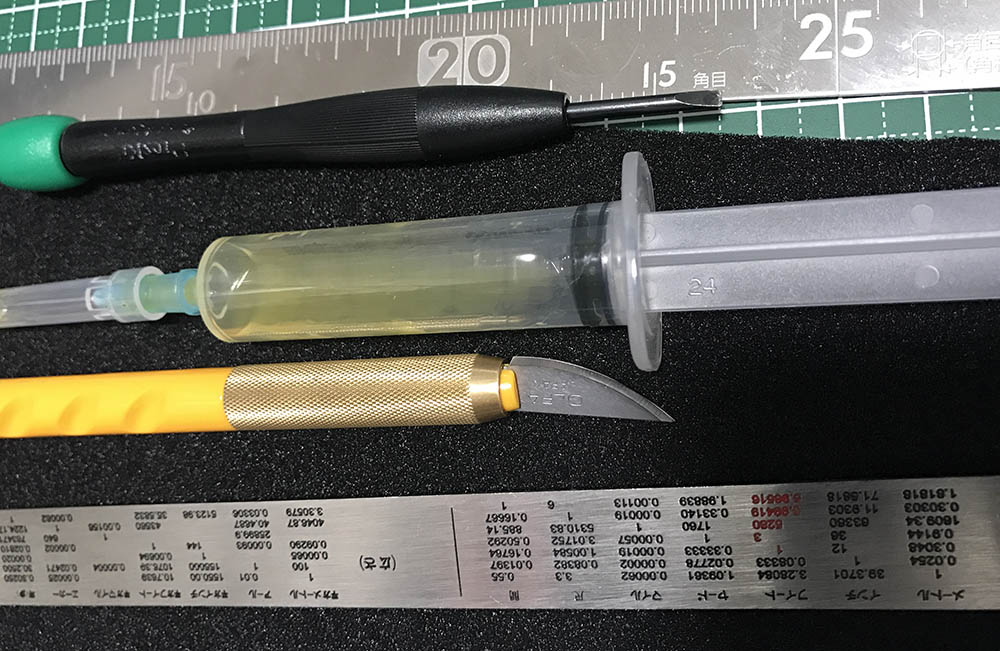 Here are some of the tools that we need! Be sure you are comfortable with using a sharp knife; a steady pair of hands is also essential.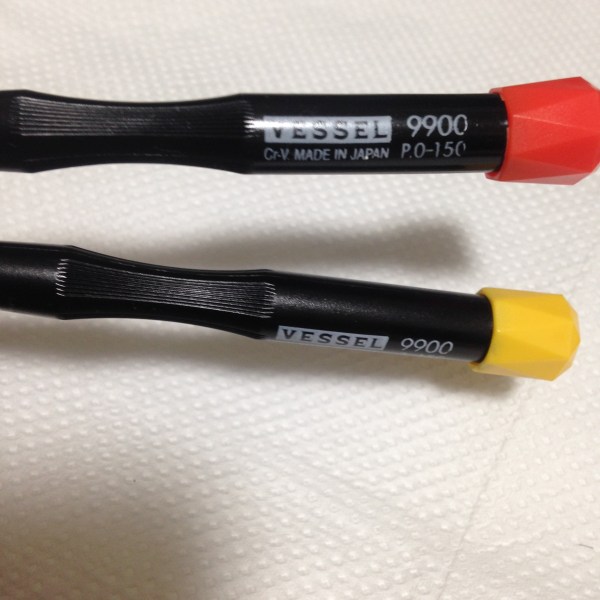

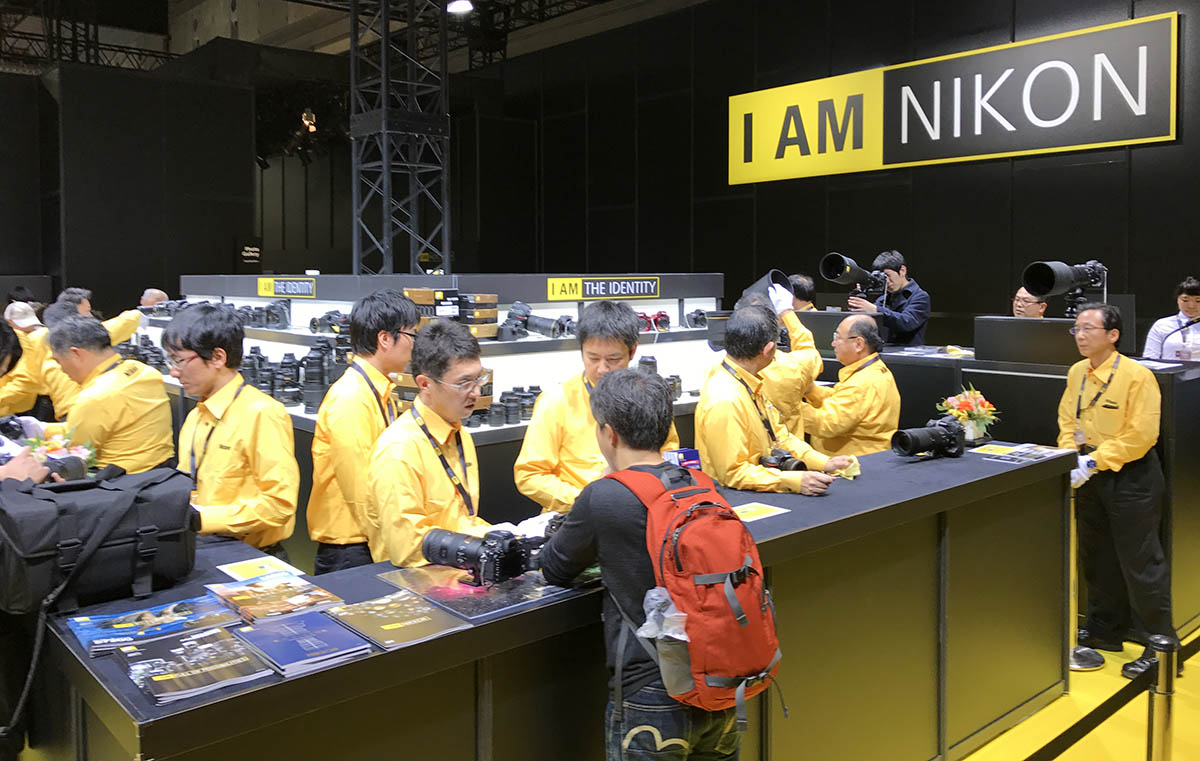 Nikon’s booth is yellow as usual. There’s nothing new in terms of layout and I hope they’ll change that next year so that we’ll see something new next time in terms of presentation and activities. Nikon has been very conservative all this time and that attitude has allowed others to leapfrog them in many things.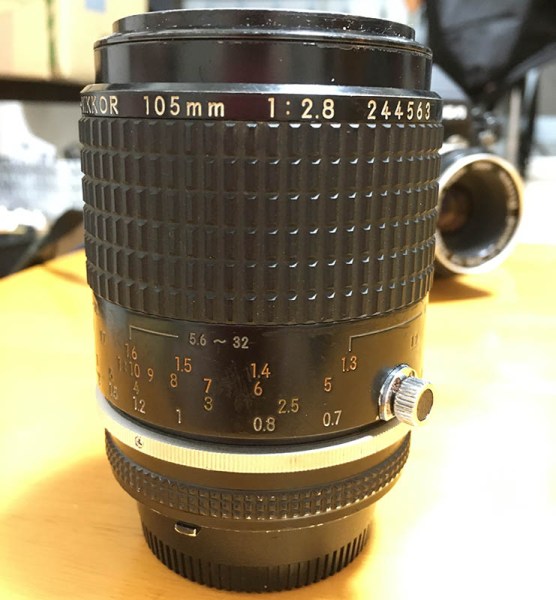
 It looks really great on a camera of the same vintage, don’t you think it looks sexy on this Nikon F3HP? I love the Nikon F3 and for me, this is the best manual SLR ever made. You may have heard about this lens and read reviews about it. Some people will claim that it is useless due to a variety of reasons such as optical performance and ergonomics as well as the unfortunate pedigree of being part of the 43-86 family. There are some lens review writers on the net and they gave the
