Hello, everybody! It is starting to become really hot and humid here in Tokyo. I really miss the cool autumn breeze. The seasons go by so fast and my baby is now a toddler. I spend a lot of time at work as well as overhauling lenses that I sometimes feel that I should have spent more time with her instead. That is how serious I am with this thing and I hope that you share the passion with me,too.
I have also started a Facebook page so that people can get updates on this blog or whatever I am overhauling or fixing at the moment. The page can also be used as an interface to ask me or whoever is experienced on fixing lenses about your problems and see if it is actually worth fixing it yourself or have a real pro do it instead. Again, this is the Facebook page.
IMPORTANT: I do not offer this package anymore because shipping can be difficult due to restrictions, etc. There are people who seek glory in other people’s suffering and these people made it difficult for honest people like me to ship combustible materials like oils and grease. I do not earn a lot from this to justify all the paperwork and effort.
Hello, everybody! We are finally going to see the second part of the Micro-Nikkor 5.5cm f/3.5teardown! We were side-tracked a couple of weeks ago when I featured a teardown of the venerable Nikkor 35mm f/2.8 Ai but we are finally going to finish this series. I can even make a third part but that will be too long, I am sure people will get bored so I am going to stay with the original plan of having just 2 parts.
These look unique as far as Nikkors go. You can’t find any other Nikkor that looks like this lens. This is novelty lens and it’s best-left to the collectors. The later Micro-Nikkor-P 55mm f/3.5 Auto is a better lens in every way, if you are looking for a practical macro lens for cheap then that lens will fit the bill.
Hello, everybody! I hope that all is well with you. It is starting to get really hot and balmy here in Tokyo as summer approaches. This means that the air will be humid again and we should pay more attention on keeping our glass fungus free!
Today, I am going to show you how to fabricate your own lens spanner with the use of some plastic scraps and a little bit of patience!
There are times when you need to access a retention ring or lens element that is placed too deep inside a barrel or tube and using the lens opener and compass is just out of the question because it may damage the surface of the barrel or it simply just won’t fit ot reach the slots that you want to access. More
Hello, readers. I am going to share something different to you guys this time, I am going to make a pub review! Yes, a review of a pub! But this is not your ordinary pub as you will see soon in the next paragraph.
Today, I am going to introduce you to a very nice place near my house in Tokyo. It is a pub that is inspired by photography and is being ran by a photographer and his partner. The place is appropriately named Tokinon 50/1.4 and the place is in Nakano Station (2 stops from Shinjuku). The place lies in between 2 of the better camera shops there when looking at the map, they are Fujiya and Nitto respectively. It can be difficult to find at first because it is in the back alleyways. In fact, I used to live within 2km of this place and I frequent the area but I would not have known about this place unless somebody had told me about it.
The front of the bar is simple. The only clues that it is a photography related place is the sign which reads “Tokinon 50/1.4” as well as the photographs featured in the front. If you are walking past the place with no intention of looking at the details then you can be sure that you will miss this place. More
Hello, everybody! I like eating sushi, it’s nutritious, fun and yummy. People used to eat these as street food but they have become quite expensive these days mainly due to sourcing and handling of the ingredients. This is why an inexpensive solution was found in the form of the “sushi-go-arounds”. They are cheap but not necessarily economical because the ingredients are not as good as the ones used by more expensive shops. Once you get a taste for the better stuff you’ll never go back. This is what I call “false economy” and this is the topic of our current article. You thought you’re getting a good deal but at the end of the day you find yourself wanting to buy the real-deal.
Introduction:
The Nikkor 35mm f/2.8 Ai was sold from 1979 to 1981, a very short time for a mass-produced Nikkor because the newer Nikkor 35mm f/2.8 Ai-S was about to be released soon. It replaced the Nikkor 35mm f/2.8 Ai which was already starting to get old by that time. Many people confuse this with that lens and so Nikon named this one Nikkor 35mm f/2.8 Ai (N) officially to denote that it is a later iteration. If there’s an existing lens with the same name, why was there a need to replace it with something similar? The answer to that is this has the newer optical formula which was used for the newer Nikkor 35mm f/2.8 Ai-S that soon replaced it and Nikon wanted to market it quickly since the 35/2.8 line of lenses was quite popular.
This is a great lens for street photography, it’s light, compact and sharp. This handles very well with all Nikons. It’s perfect with the Nikon F3HP, its dense and well-built, it will survive professional use.
Hello, everybody! I like shooting with film. It’s inconvenient, unpredictable, expensive and unforgiving but it gives you memorable pictures that you’re not going to get with digital. It requires more skill to use compared to digital and it requires even more skill to use it properly. Many people ask me why I prefer to shoot film and I always find it hard to justify it, my only answer is usually short – “I love a challenge”. Sure, I can get instant review with digital but it doesn’t feel as satisfying and so the pictures that I made don’t have the same impact as my pictures that were taken with film which is memorable. The inconvenience of taking it makes it more precious and you’ll remember how you took that shot and why. Sometimes, a little bit of inconvenience is a good thing. Today, I will talk about an inconvenient lens to use. It is difficult to use properly but you are rewarded with nice pictures if you managed to nail a shot.
Introduction:
Today, we are going to discuss a very unusual, rare and historical lens. This is something that you do not see everyday and as a consequence there isn’t a lot of info on the net about this lens. Many people don’t even know that it exists. The Micro-Nikkor 5.5cm f/3.5 started the popular 55mm line of macro lenses. This lens line was so popular and practical that other manufacturers had to copy this idea and incorporate it into their own products and this all started with this lens.
This is a compact little lens by today’s standards but this was considered to be on the fat side when it debuted. The barrel had to be wide because it can extend to about 2x its length when fully extended. If you want to read more about this lens you can go to Matthew Lin’s great writeup here.
Hello, everybody! I am currently busy studying Unreal Engine this holiday and weekend so I do not have a lot of time to write a lengthy post. My baby is also getting bigger and bigger and she now requires more attention as she is now capable of walking fast! Anyways, a couple of people have talked to me regarding today’s problem and this is how I solved mine.
Introduction:
Today’s topic is the Nikkor 50mm f/1.2 Ai-S. It’s Nikon’s fastest 50mm and it’s still being produced in 2019. It debuted in 1981 as an Ai-S update of Nikon’s first 50/1.2, the Nikkor 50mm f/1.2 Ai and it stayed in production since then. I sometimes wonder if there is an actual demand for this but I remember a few acquaintances who actually bought these in the past 10 years or so. It’s the only thing Nikon has in the ultra-fast normal lens class so I guess that it is one of the reasons why this lens is still being made and sold.
It’s perfect with the Nikon F4, it’s best-paired with a bigger camera since it is heavy. Handling is perfect and I wouldn’t ask for anything more. The bright, big glass is all that you’ll see when looking from the front. It’s a professional tool and it means business.
Hello, everybody! I am craving for some smooth and creamy French blue cheese, the one that smells of feet and with the blue molds. It is one of my comfort foods so I love to spread it on top of bread and saltine crackers for breakfast. I know that this is not good for people who suffer from gout but you have to eat the things that make you happy some times. We only live once and we should live our life to the fullest! Of course, we should never abuse our health so we should take care not to over-do anything. Since we are on the topic of smooth, creamy things, I’ll show you something smooth and creamy that isn’t as expensive as the stinky French cheese that I crave. Read the whole article to find out more.
Introduction:
There are few Nikkors that can match The Nikkor-Q 135mm f/2.8 Auto when it comes to creating smooth bokeh for very little money. These lenses can be bought for as little as $10 to an average of $80 these days depending on the condition. Near-mint samples with those valuable factory Ai-rings can fetch above $120 but seldom more than $150. This isn’t as popular these days due to it being a manual focus lens, the modest f/2.8 speed is turning-off people who crave for faster glass, too. For people who know their thing, this lens is going to be a keeper. Professionals even use these today and I know a few of them (2 actually) who use these as their portrait lens for work.
The Nikkor-Q 135mm f/2.8 Auto debuted in 1964 and was made until 1975. It was then replaced by a similar lens with the same optics design but with an updated barrel. The 135/2.8 line has about six major variants throughout its long production run. The lens family existed up until the DSLR era with the Nikkor 135mm f/2.8 Ai-S being the last version. This shows how this lens line sold very well through the years and across generations. It’s a classic in the sense that it’s never going to be useless even in the decades to come.
Helicoids are essential for focusing a manual lens. While it is a joy to focus with one, it is a big pain to repair for beginners and it can really be a show-stopper if you do not know how and where these things should mate when reassembling a lens.
Helicoids are a thing of the past for the AF (autofocus) generation but for connoisseurs like us who enjoy and appreciate older (or current) manual focus lenses, the helicoid is the soul of the lens when it comes to focusing because this is the one thing that affects us the most as we turn the focus ring left and right.The helicoids are also the source of frustration and the root cause for their lens’ problems for many. Lenses that were poorly kept and maintained will exhibit some form of focusing problem ranging from a seized helicoid to dry focusing sensation.
Hello, everybody! I was a bit busy with a wedding yesterday as photographer#2 so I did not have the time to prepare for a complete article. I decided to write something else instead. It dawned to me that in order to keep this blog alive, I should not post a repair article every week because I will quickly run out of items to write about! A balance has to be struck so I will write filler posts like this in between the repair articles. I hope that you don’t mind.
Introduction:
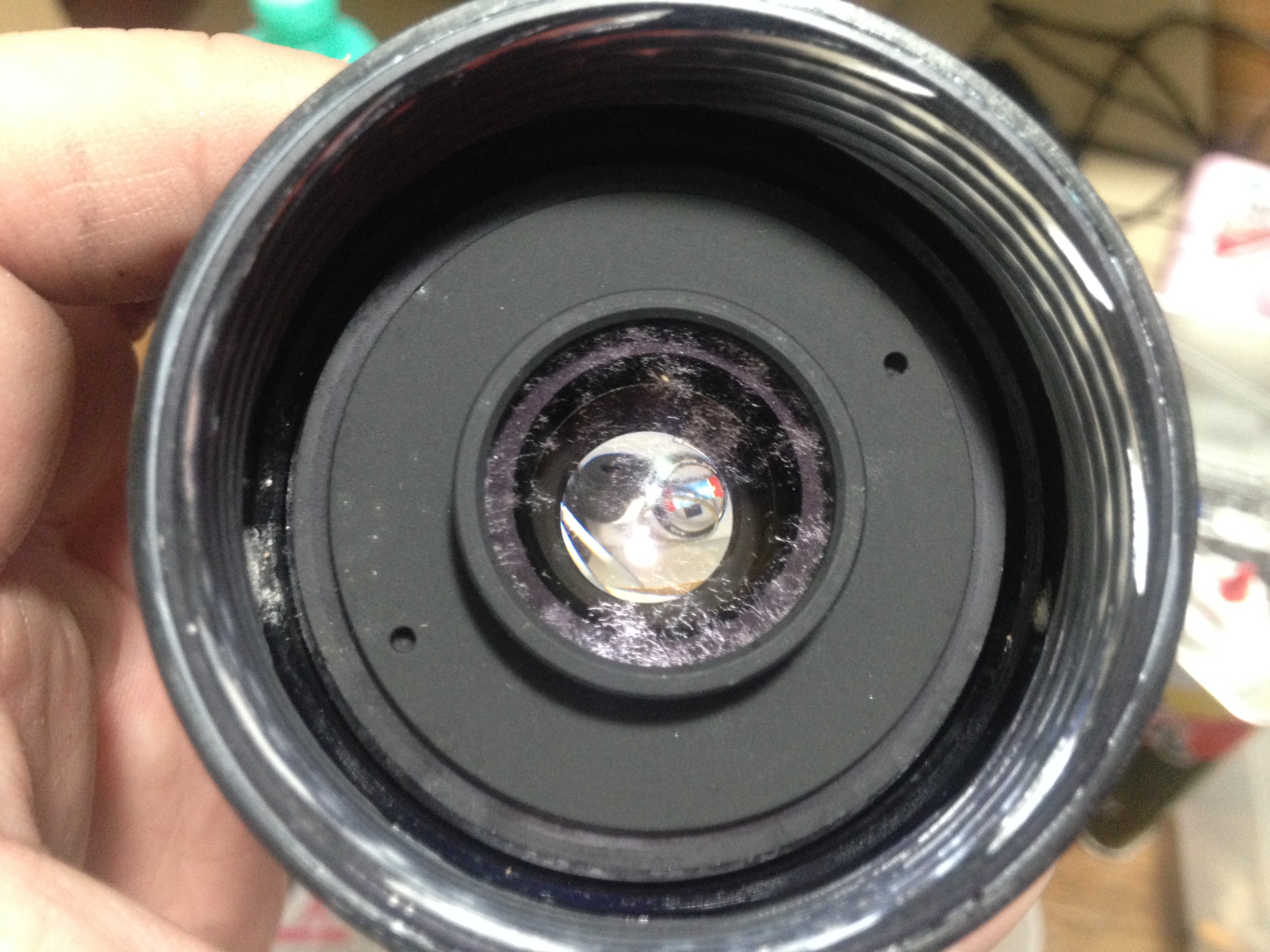
I have some people ask me about how to deal with fungus. This is also a niche topic that is not commonly discussed and even if you have found some information it is usually vague or false, so you will have to do your own tests. For this reason, I will share with you my fungus removal techniques. This is something that I have been doing to any lens that I bought that has fungus. It has worked so far and the lenses stay clean and clear.
Fungus in a lens is something that all photographers try to avoid as much as possible. It’s something that is impossible to avoid because fungus spores are everywhere, from the air we breath to every surface that we touch. The only way to keep this from happening is to not provide them any chance to germinate by depriving them of nutrients and other essentials for them to thrive.
Help support this site by donating to richardHaw888@gmail.com over at Paypal! If you want to buy me a beer or a roll of film then that would be great,too!

 IMPORTANT: I do not offer this package anymore because shipping can be difficult due to restrictions, etc. There are people who seek glory in other people’s suffering and these people made it difficult for honest people like me to ship combustible materials like oils and grease. I do not earn a lot from this to justify all the paperwork and effort.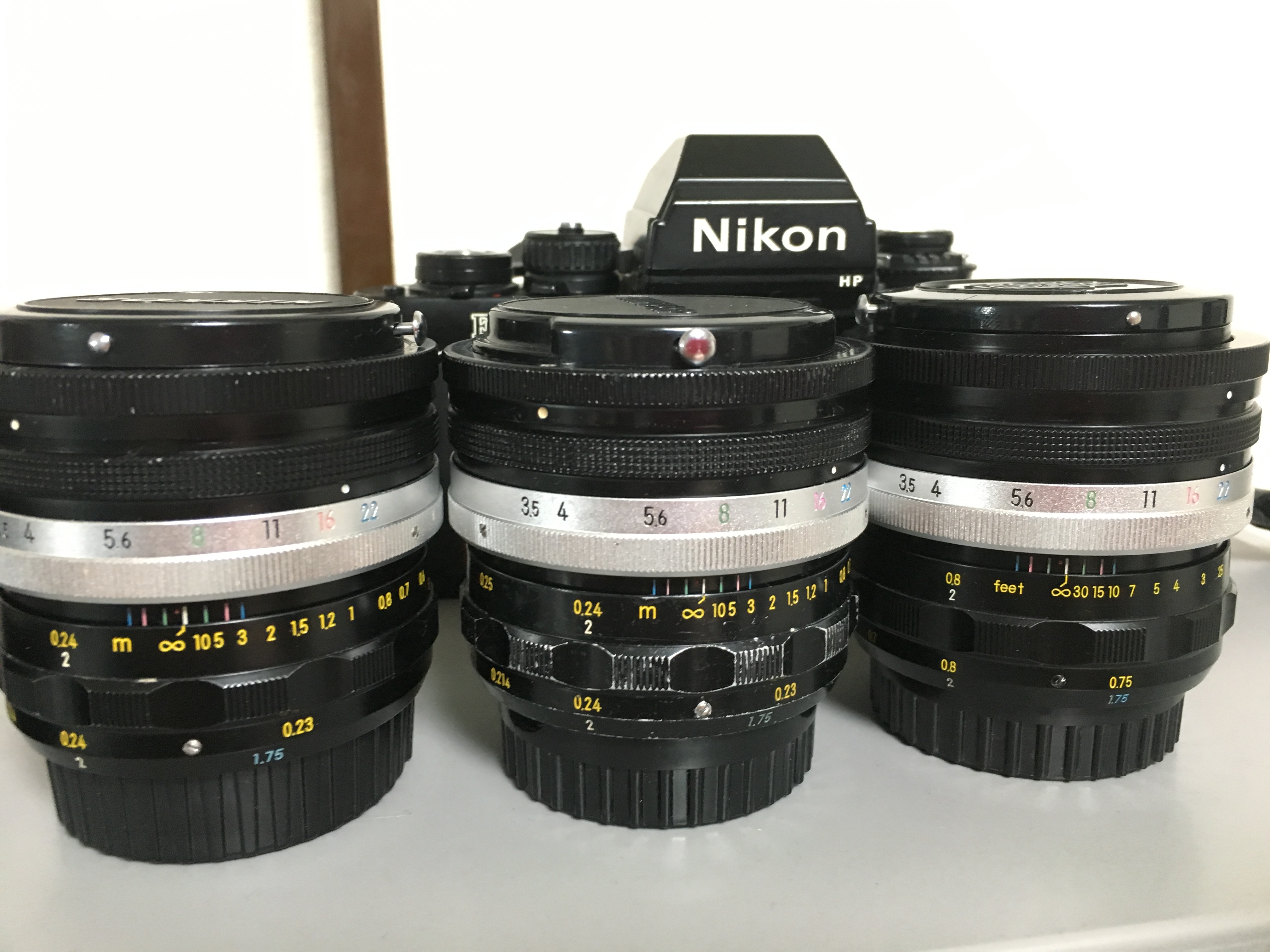
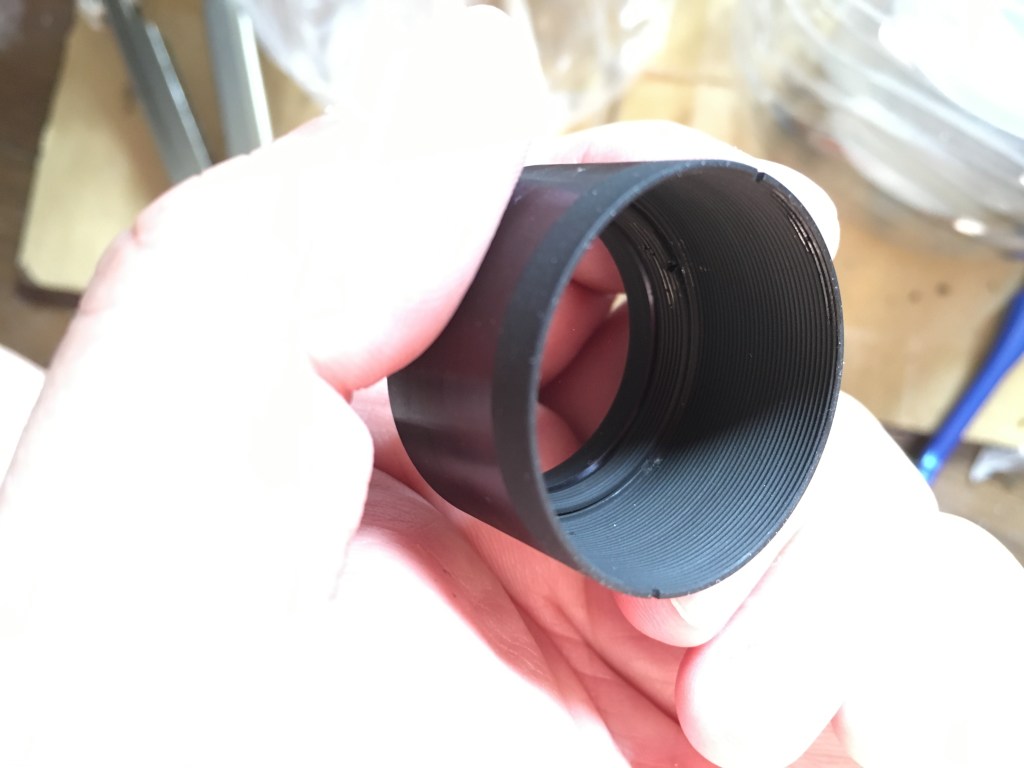 There are times when you need to access a retention ring or lens element that is placed too deep inside a barrel or tube and using the lens opener and compass is just out of the question because it may damage the surface of the barrel or it simply just won’t fit ot reach the slots that you want to access.
 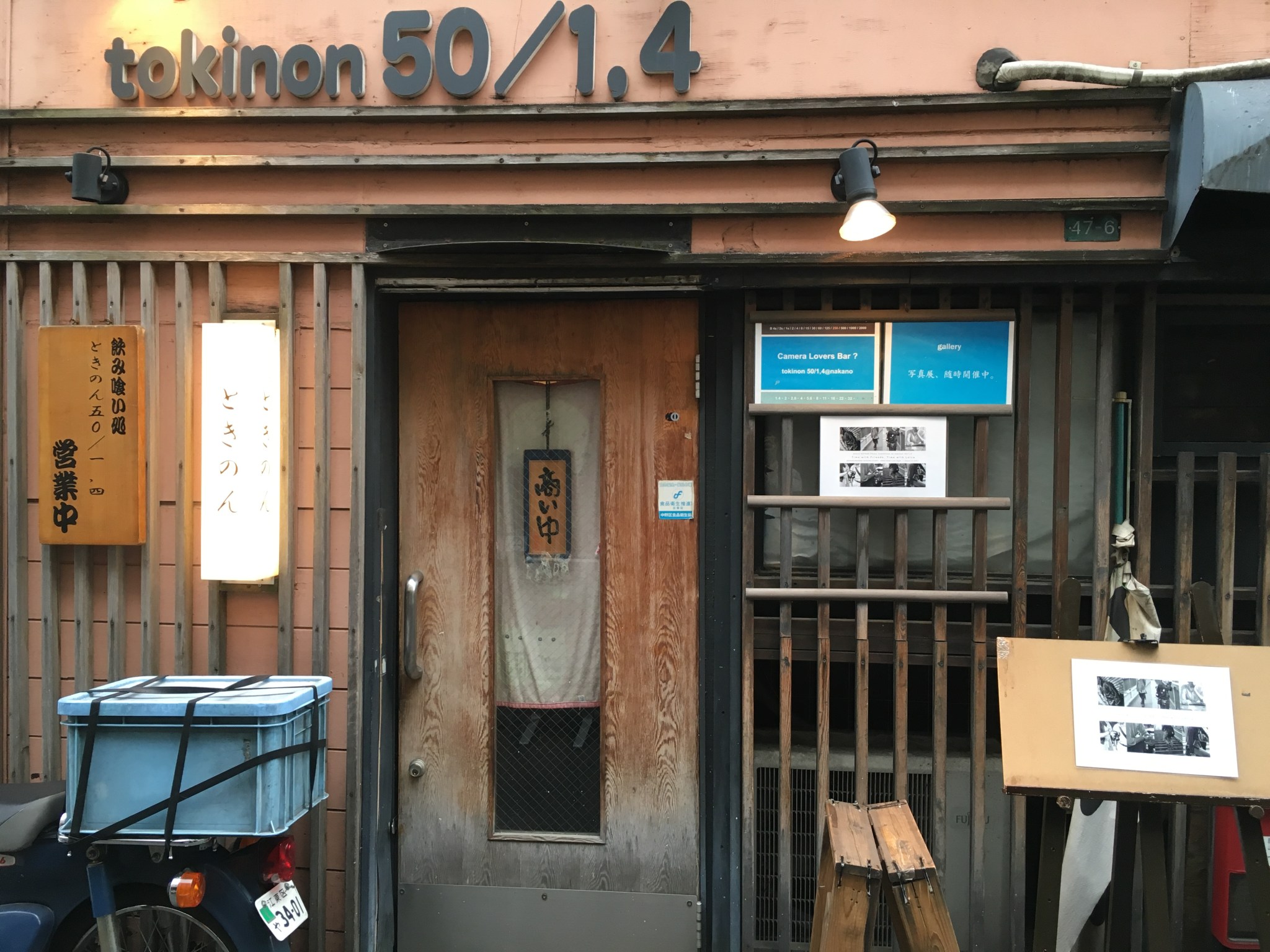 The front of the bar is simple. The only clues that it is a photography related place is the sign which reads “Tokinon 50/1.4” as well as the photographs featured in the front. If you are walking past the place with no intention of looking at the details then you can be sure that you will miss this place.


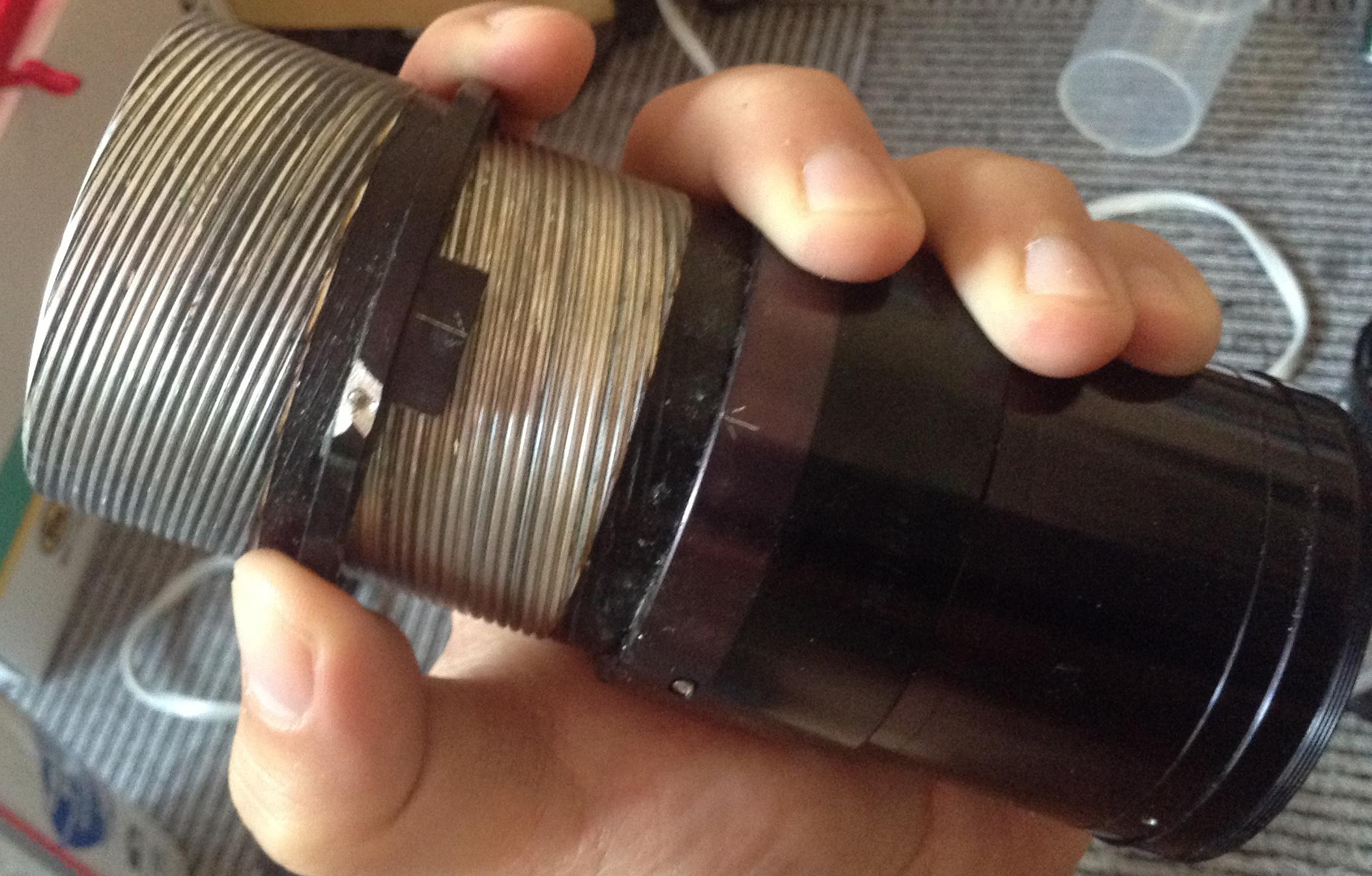
 Richard Haw's Classic Nikon Repair and Review