Hello, everybody! Spring is just around the corner here so it’s cleaning time. Time to clean the house and time to “clean” problematic staff at the office. It is important to keep things clean in order to keep things moving smoothly. I will admit that I am lazy at cleaning but when it comes to cleaning cameras and lenses I will be the first one to raise my hand. I have cleaned lenses and cameras that are so filthy that you would probably get sick just by touching them. Today, I will show you one such lens and how I cleaned it. It’s now my favorite lens and I hope that this redemption story will inspire you.
Introduction:
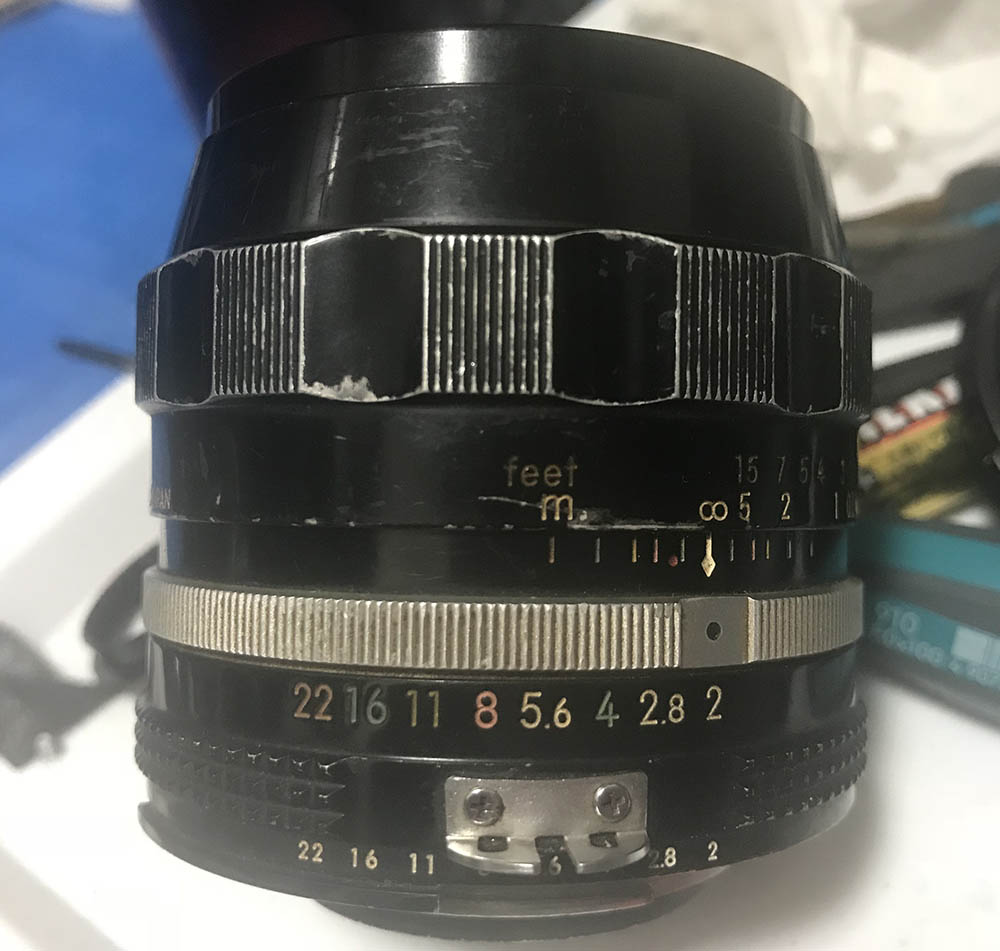
The Nikkor-N 28mm f/2 Auto was made from 1970 to 1975 and at one point it was the fastest lens of its class. It enabled astrophotographers to shoot the night sky using slower films and still enjoy the wide 28mm focal length. The lens also enabled news photographers to take important photos in the dark so long as they pushed their films in development. This was a game-changer and many manufacturers soon followed. It’s the first lens in the 28/2 family which was made until 2005 in the form of the Nikkor 28mm f/2 Ai-S. This is a very useful lens and many people won’t want to part with theirs. It’s easy to see why once you saw my sample photos.
This lens is very well-made, it’s all-metal. This is what people think about if you mention the name “Nikkor“, a tool that just works and will survive a lot of beating. This lens will surely out-live me provided that it was taken cared of properly. If anything had to be serviced you can just repair it like any old carburetor engine.
Hello, everybody! The Covid-19 outbreak is becoming a serious problem, it’s disrupting everything here and everybody’s lives are affected by it. It’s hard to find masks and even toilet paper in recent weeks. This is something that I have never seen since SARS. I hope that people will find a cure for this, it’s a huge problem and it will only continue to spread if not checked. We should never lose hope because doing so is accepting failure. This blog is all about hope as we restore old, broken equipment. Today, I’ll show you something that I found at the junk box. The previous guy who worked on this lost hope in this lens but I won’t give-up on this because I am all about fixing Nikkors.
Introduction:
The Zoom-Nikkor 28-50mm f/3.5 Ai-S is a unique lens. It’s unique because of its compact dimensions and it has a fixed-aperture when zooms at that time normally have variable-apertures unless you opt to buy the expensive ones that were made for professionals and they’re never as compact as this. This is such a lovely lens but it was only made for 2 years after it debuted in the mid-1980s, which is a shame because it’s such a practical little lens. This is a great partner for the Nikon F3 and some other smaller Nikons.
The appeal of using this lens is it’s compact and light. With a fixed-aperture, it was aimed at the advanced amateur and professional. Professional-grade Nikkors are usually fixed-aperture lenses with a decent speed of no-slower then f/3.5. This also has a practical zoom-range of 28-50mm, making it more useful for the working photographer. It’s a “pumper-zoom” wherein you’re treated with a comfortable piston-action focusing and zoom ring in one unit for easy and quick focusing and framing changes. I prefer this type of setup over the usual 2-ring option that has become normal these days.
Hello, everybody! I went to a hobby shop this afternoon and I found some plastic models on sale that were reissues of classic kits from many decades ago. The original models were considered vintage and valuable when I was still active and working as a scale modeler several decades back. These ones are new, made with new molds and technology and they have new parts or fittings to go with them. They don’t make the original kits any cheaper but it is nice to be able to build the classics without having to actually build one if you get what I mean. Reissues serve a purpose and they’re always welcome sight to every hobbyist who can’t afford the original. Today, we are going to talk about a reissue of a legendary Nikkor, a lens so legendary that the older design even rivals what’s for sale today from any manufacturer but since I don’t have the resource to buy the original lens I’m going to review the new reissue instead.
Introduction:
The Nikkor-S 50mm f/1.4 Millennium edition is a reissue of the famous, rare, and exquisite Nikkor-S 50mm f/1.4 “Olympic Edition”. The latter lens gained that nickname because it was released around the same time as the Tokyo Olympics in 1964. It’s a famed lens because it’s the best 50/1.4 from Nikon, it remained to be so until this day depending on who you ask. This lens shares the same as the Nikkor-S•C 5cm f/1.4, both were made for the older Nikon S-mount for rangefinder cameras but the “Olympic Nikkor” was sold very late into the rangefinder Nikon era, long after it went obsolete with because of the revolutionary Nikon F. Despite the similar-sounding name, the lens isn’t a variant of the the Nikkor-S•C 5cm f/1.4, it’s a completely-different lens. It’s a new lens made using 1964 manufacturing techniques compared to the old one which was from the early 1950s.
The Nikkor-S 50mm f/1.4 Millennium is beautiful. It’s one of the best-looking rangefinder lens from Nikon. The design is elegant as it is practical, there is nothing that will get in your way. The aperture ring feels precise and there’s no play in any of its parts. Compared to the “Olympic Nikkor”, this lens uses better coatings and the glass was made using modern materials. I assume it had its optical formula tweaked a bit but it remained the same as the older one in nearly all aspects.
Hello, everybody! I love underdogs. In fact, I always cheer for them in every sport. Underdogs aren’t expected to win but they usually do and even if the other side won they usually exhibit admirable traits that you could say that they have won the game in the hearts of everyone watching the game. They are usually held in great esteem by both sides due to this trait, you can even say that they are crowd favorites. Today, we’ll talk about such an underdog, a lens that many people don’t expect to perform well just because it’s an old, variable-aperture zoom but it does its job, it does it better than expected. It’s also cheap these days and that adds to its appeal.
Introduction:
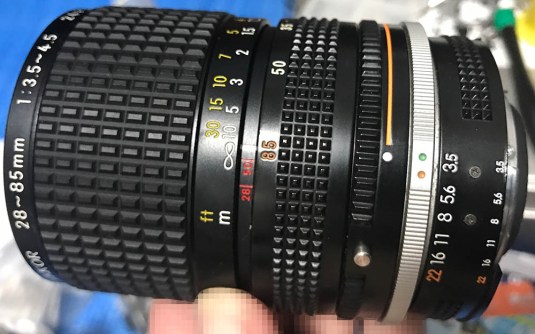
The Zoom-Nikkor 28-85mm f/3.5-4.5 Ai-S debuted in 1985 but it was still for sale new up until 2005, 20 years after it was unveiled. It’s a practical lens, it has a useful focal range and a useful gimmick wherein it can extend itself at 28mm, giving it the ability to focus even closer, like having a built-in macro extension ring. The maximum speed is merely f/3.5 at 28mm and f/4.5 at the 85mm end. While a 28mm f/3.5 lens is acceptable, an 85mm f/4.5 lens can be a bit awkward to use. This limits its usefulness at the long-end but this is an industry-standard these days for cheap zooms.
Unlike many Zoom-Nikkors of its time this one isn’t a “pumper-zoom”, it has a proper zoom ring and a separate focusing ring like most modern zooms. It also has a 3rd ring near the aperture ring that enable you to extend it just a bit more at 28mm so you can take close-ups. There are 2 more lines near its centerline indicating the centerlines for infrared photography. There are 2 dots indicating the real aperture of the lens at either end of the focal range, green for 28mm and orange for 85mm. I don’t like variable-aperture zooms, it makes manual exposure a bit more difficult since you have to factor-in its real aperture when taking an exposure.
Hello, everybody! I was out with my friend Andrew and we’re talking about systems architecture and administration, its design, cost, implementation, security and maintenance. All that talk is good but we all agreed that these don’t mean a thing if we don’t have a vision for it, it’s just money wasted, a resource that’s finite. Making something through the guidance of a vision is not easy because you’ll have to know what it is first and that can come from a limitation or other constraints. The lens that we’re going to talk about was born from the need to have a lens that performs close to its peak wide-open and to surpass its legendary predecessor. That vision guided the engineers at Nikon and they have created a modern masterpiece.
Introduction:
The Nikkor Z 58mm f/0.95 S Noct is a proof-of-concept of what Nikon’s new Z-mount can do. It was announced around the same time as the new Nikon Z6 and Nikon Z7, it created a lot of buzz online and people were divided on how and why it doesn’t have autofocus and why it has to be so big and all. It is also controversial because it’s so expensive, costing almost $8,000 each. It is now on back-order due to the “demand” but I think that it’s just so hard to produce that Nikon can’t make more of these even if they wanted to. This is a true exotic lens that surpasses what Leica has to offer according to people online who were lucky enough to compare. The optical design is a complex 17-elements-in-10-groups one which is totally-new for Nikon, the elements are huge which makes this a really heavy lens and we’ll find out if the hype about this lens is real in this article.
The barrel is fat with most of the surface being covered by the focusing ring which has a really long focus throw with a minimum focusing distance just a bit below 0.5m or so. This is handy for shooting really blurry backgrounds for little things such as wedding rings or the dolls at the top of the cakes for those of you who shoot wedding photos or videos.
Hello, everybody! My head hurts due to stress at work so I am taking some medications to help me with this problem. I’m looking for a better option and I was advised to use CBD (cannabis oil) which you can buy from many wellness stores here. I was told that it’s great for a lot of things so I’m doing some tests to see if that’s true. I assume that it is less harmful than the pills, I have always wanted the natural option because nature knows best, cannabis is nature’s gift to man. While we’re on the topic of alternatives to mainstream option I would like to introduce to you an amazing alternative to the electronic lenses that are mainstream these days, it’s old but it’s not a bad lens at all even by current standards, it can also teach you a thing or two about patience that photographers these days forget about.
Introduction:
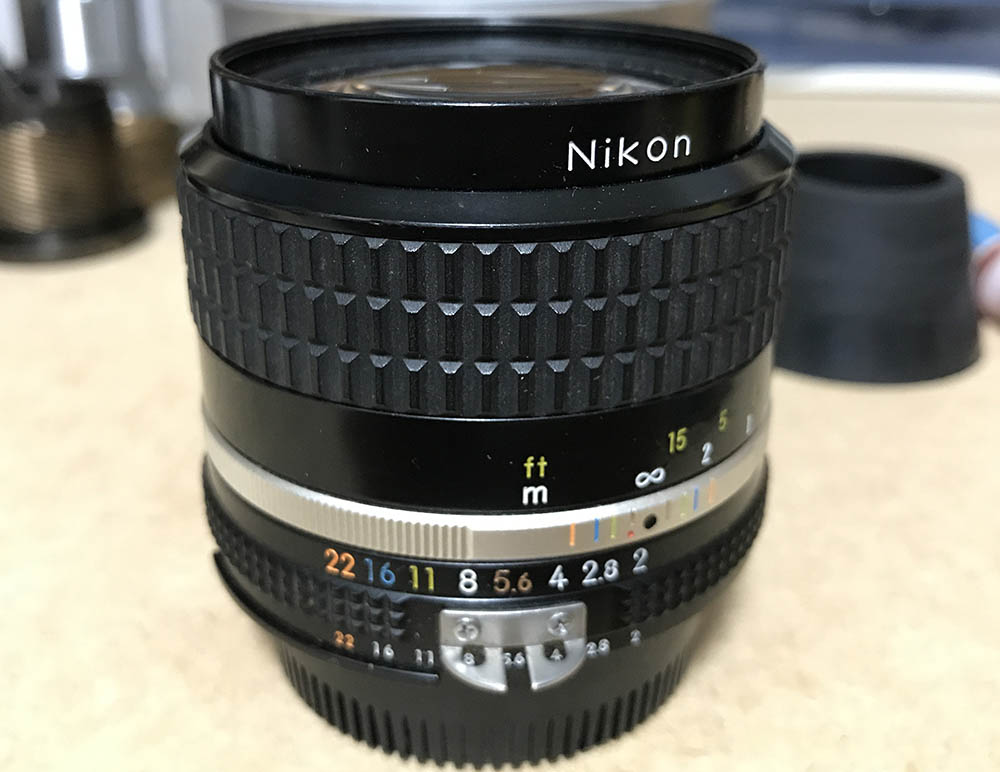
The Nikkor 35mm f/2 Ai-S is a favorite of many photographers. The practical features of this lens makes this perfect for everyone. The decent speed will cover everything from low-light photography to landscapes. This is a really popular lens and it remains in production from 1981 to 2005, an eternity as far as lenses go. It replaced the venerable Nikkor 35mm f/2 Ai, making this a viable lens for the Ai-S generation, allowing you to use full-automatic modes with it using compatible cameras. This lens incorporates Nikon’s better coating technology, SIC or Super Integrated Coating which helps quite a bit.
The build is typical of Ai-S Nikkors. It’s mostly all-metal, it will outlast all of the plastic lenses made today. This is a professional tool that’s made for abuse in the field. The only thing I don’t like about it is the rather shorter focus throw compared to the older Nikkor 35mm f/2 Ai. I prefer a lens with a slightly longer throw but this is all due to preferences.
Hello, everybody! This is my first article in 2020! 2019 started off great for me career-wise but it quickly turned sour by the end of the last year, it was difficult for me and I had to take things slow in this blog. 2020 is a new year, it brings with it new hopes and opportunities, I have high hopes this year so please send me your well-wishes and let’s all have a fantastic year. Since we are on the topic of something fantastic, I’ll show you a fantastic lens in this article. Something that I think every landscape photographer should own if they shoot with Nikon or mirrorless.
Introduction:
The Nikkor 24mm f/2.8 Ai-S debuted in 1981 to replace the aging design that was pioneered by the then-ground-breaking Nikkor-N 24mm f/2.8 Auto. The optical design didn’t change from that point until the Nikkor 24mm f/2.8 Ai. The older design is great but it is clear that it had to be given a new optical formula in order to keep this lens line competitive in the years to come and they have succeeded. This is still being produced today, you can buy it new. This is how good this lens is and a testament to the engineers’ efforts.
It’s a compact lens, not much bigger than the Nikkor 35mm f/2.8 Ai-S but it’s packed inside. The build quality isn’t as good as the older Ai series but it is a lot better than what we’re used to seeing these days. It will withstand plenty of beating from professional use and it will outlive any plastic lens.
Hello, everybody! Did you watch the Joker movie? I think it’s a great film, it showed us a different aspect of the character and gave him some humanity. I love this version of the Joker a lot but I think that Jack Nicholson’s version is the better one because it’s closer to the classic depiction of the character. I love both versions, they explore totally different aspects of the Joker. Today, I will show you a version of the lens that I prefer over the newer one. This is just as amazing as the later one but it has a few more things to offer.
Introduction:
The Nikkor 50mm f/1.2 Ai debuted in the late 1970s as a native Ai lens and it replaced the New-Nikkor 55mm f/1.2 as Nikon’s fastest “standard” lens. This is a dream-come-true for Nikon since they have trying very hard to produce something like this for nearly 2 decades now. What filled that gap is the old Nikkor-S 55mm f/1.2 Auto, it was a compromise in the sense that it had to be a 55mm lens instead of 50mm. It was difficult to design something like this for an SLR system at that time because the required technology to make this hasn’t matured yet. The rear element has to avoid the flapping mirror of an SLR and that took some time to solve. This lens was a technical wonder and its design lives to this day in the Nikkor 50mm f/1.2 Ai-S which is still made to this day.
The big front element is the showcase of this lens. It’s needed in order to get as much in to the film or sensor. It’s impressive, an amazing feat in terms of optical engineering.
Hello, everybody! I was excited when the new Macbook 16″ was announced a couple of days back. The sad part is it’s still missing the function keys and the trackpad is still the new, larger one which requires more effort to swipe across compared to the older, smaller one. I still use the old, original Retina Macbook and I wish that the next one will be just as good as that release. It’s reliable and it still has an SD card reader and the good, older-type charging connector. There are many parallels to this in the real world, a new product that failed to supersede the older one because some people lost a few things in the name of an upgrade. This happens very often with cameras, too. I will show you an example of it when it comes to Nikkors.
Introduction:
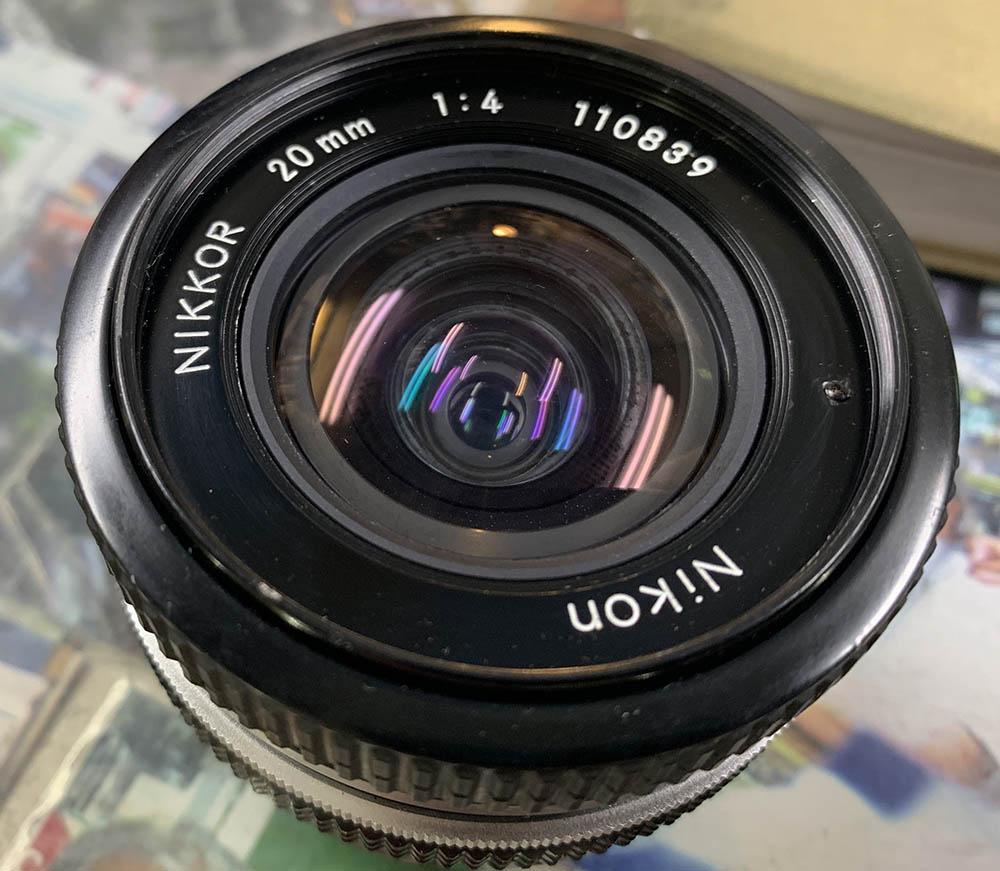
The New-Nikkor 20mm f/4 debuted in 1974, replacing the popular Nikkor-UD 20mm f/3.5 Auto which is a fine lens but it’s big, takes bigger filters and a lot heavier than this. The impetus for designing this lens is to make a compact 20mm for the F-mount and Nikon succeeded in doing that with this lens. It’s amazingly compact and light compared to the older lens, a big advantage if you are traveling or hiking because every gram counts at the end of the day. It’s also a great performer optically and it has a cult-status amongst those of use who shoot high-magnification photography. When mounted in-reverse, it is able to achieve an unbelievable 12x magnification ratio which makes it a favorite for bug, coin and technical photographers. It was even mentioned in the user manual or brochures if I am not mistaken.
Despite its size, it’s well-made and will last you more than a lifetime. You’re going to need a step-up ring in order to avoid mechanical vignetting when you use filters with this. I haven’t tested this lens with any filters yet but it’s safe to assume the worst based on my experience. Notice that hole with the broken screw? That caused me a lot of headache when I was repairing this.
Hello, everybody! Nikon just announced the Nikon Z50, it is a small camera that’s equivalent to the Nikon D7500 just without the mirror. Nikon sure has earned back the money spent on developing that sensor several times over, Nikon loves to repurpose older flagship sensors and use them on lower-end cameras after a few months or years. Nikon has been doing this thing since the start of their rebirth after the war. Repurposing isn’t a bad idea and I’m an advocate of it when I am designing studio workflows at work. It saves a lot of money but it also ensures repeatability which is important. Speaking of repurposing, our topic for this article is a lens that was sold in 2 different lens mounts, you don’t have to re-invent the wheel but you sure can modify it to fit different needs, so to speak. Please enjoy this article.
Introduction:
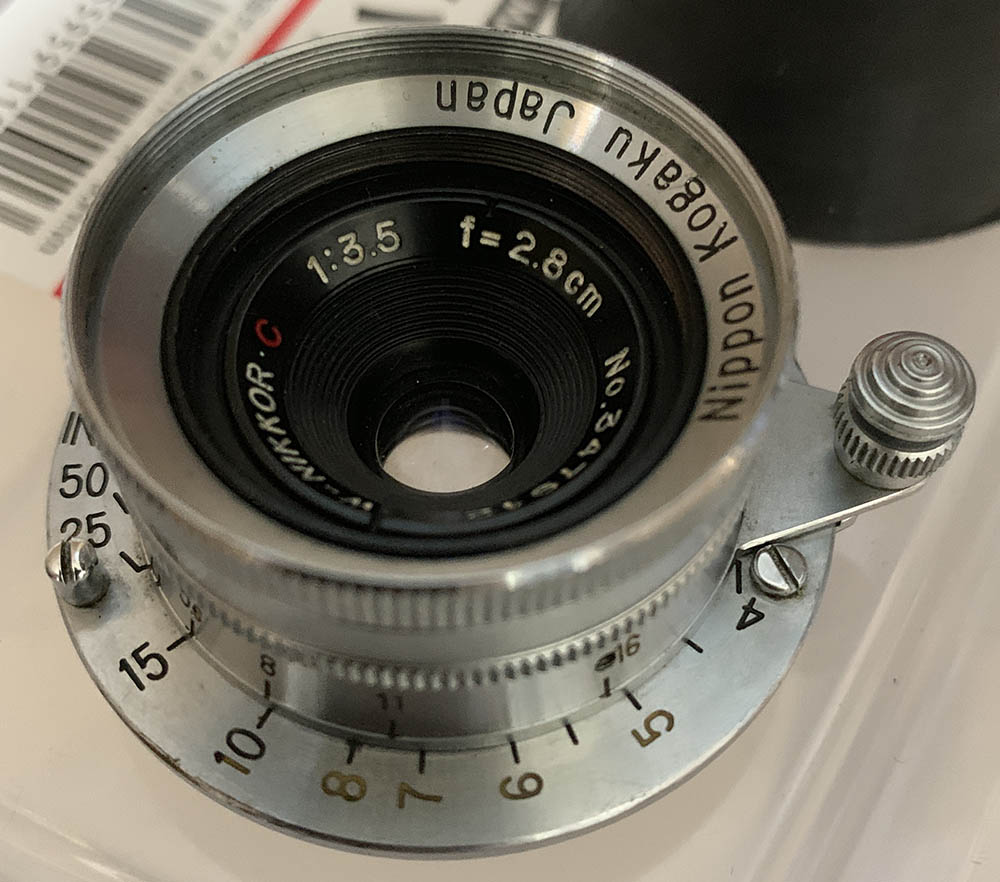
The W-Nikkor•C 2.8cm f/3.5 was a game-changer when it came out. It used to be the fastest lens of its type when it debuted in 1952. It was based on an old Nikkor that was used during the war for taking aerial spy photos, it has high resolution and a low distortion profile. It was miniaturized and it ended up being this lens. I have covered the W-Nikkor•C 2.8cm f/3.5 (S-mount) before so read that article if you want to know more about this lens. The lens that’s featured in this article the W-Nikkor•C 2.8cm f/3.5 (Leica Thread Mount). It’s similar to the W-Nikkor•C 2.8cm f/3.5 (S-mount) optically and that’s all. Many people debate to this day on which version came out first. Some say that it’s the Leica Thread Mount version came out earlier as Nikon wanted to get the Leica market which was bigger back then. There’s a lot of merit to it, I think that this lens was aimed at that market where there’s nothing equivalent to it for some time. It was the fastest wide-angle lens when all the competition (Germans) had were f/6.3 to f/8 ones. You can now buy a faster, cheaper lens at the loss of some prestige. This mattered to some people while some folks didn’t even care.
The lens arrived in this state. It was dirty, the paint’s worn and the inside of the objective was oily. I now it looks small in the picture but the lens is a big one as far as slower W-Nikkors are concerned. It’s dense and it reminds you of a hockey puck.
Help support this site by donating to richardHaw888@gmail.com over at Paypal! If you want to buy me a beer or a roll of film then that would be great,too!






 Richard Haw's Classic Nikon Repair and Review