23 Sep 2018
by richardhaw
in nikon,lens repair,lens maintenance,nikon repair,, Nikon,museum,classic lenses,, Uncategorized
Hello, everybody! I’m going to share with you my opinions and musing on Nikon’s latest Z cameras. There are literally hundreds of other sites online with the same topic but this will be a little different because it centers around what I (Richard) thinks about these so all of the things that I will say here will only be based around my experience.
The Nikon Z cameras generated a ton of debates online and has been the target of fake or paid trolls and “experts” but that dirty tactic didn’t work because the camera is excellent in most regards. You can check out the specs at Nikon’s site but I am sure that most of you are already familiar with it by now. These cameras mean a lot to Nikon and after having several chances to shoot with it, I can say that they’re totally amazing cameras and Nikon has made a new masterpiece! While the latest Sony is just as feature-packed, it lack in the ergonomics department and Nikon is going to show the up-starts that ergonomics are just as important as specs, if not even more. They also look great and they remind me of Sade because of the curves, sex appeal and potential. There’s simply no equal specially if you saw what Canon has to offer. That was a god joke, Canon. A pre-war Contax 2 made more sense when it came to ergonomics. If you think that was harsh then see it for yourself.
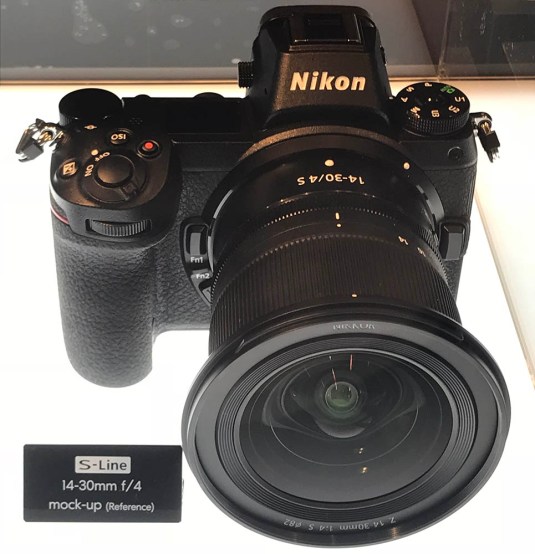 The Nikon Z series is Nikon’s debut to the full-frame mirrorless camera market. Pictured here is the dummy of their future ultra-wide zoom lens. This should be an amazing lens for landscape photography because the shorter flange distance will enable the system to take much better photos (technically). I am excited with this latest development and this just shows that Nikon is serious with the new Nikon Z-mount. I wonder if Nikon will have the resources to further develop the company’s DX line of lenses since they have devoted so much to this. I don’t shoot the DX format but I know some people who loved it. More
22 Sep 2018
by richardhaw
in nikon,lens repair,lens maintenance,nikon repair,, Nikon,museum,classic lenses,, Uncategorized
Hello, everybody! I am craving for some KFC today. I prefer original recipe over the spicy one because I find it more savory. The spicy one tend to mask the more subtler flavors of the herbs. There are people who prefer the spicy variety and that’s OK if you ask me but there are some people that will debate with you because they’re so passionate with their deep-fried poultry. These kinds of debates over which one is better seem to happen with anything and that includes lenses. Today, I will show you such a debate about which one is the better version. This has been going on since 1977 when this lens was introduced, it is somewhat controversial because people either love it or hate it and will always judge it against its predecessor. I guess this happens because the original one was so loved by so many people because it’s a masterpiece of optical design at the time and the new one has a very different character to its pictures. Please read the article to know all about this.
Introduction:
The Nikkor 85mm f2 Ai is a wonderful lens. It was introduced to replace another amazing optic – the New-Nikkor 85mm f/1.8 lens that many people hold-on to even to this day. They are totally different designs and the older New-Nikkor 85mm f/1.8 is much bigger, heavier and just a bit faster than this lens. Optically, the newer lens performs better in the sense that the pictures look “cleaner” because it’s a well-corrected lens and the field curvature is a lot flatter compared to the older lens so you get more things in-focus. The slight drop in lens speed from f/1.8 to f/2 won’t mean anything in real-life use but many people don’t like this and stuck to the New-Nikkor 85mm f/1.8 so its re-sale value is still relatively high even to this day. The older lens also renders pictures with more “character” but this is so subjective because some people either like or hate the look of pictures taken using older lenses and this has been the topic of debates for decades and I hope that this article will show you how this lens performs so you can make your own personal judgement.
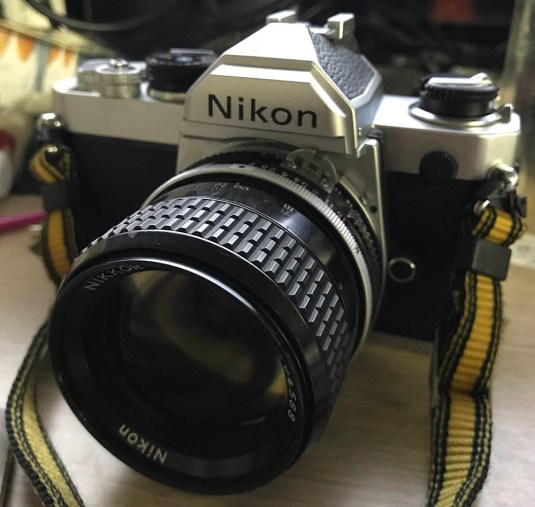 The Nikkor 85mm f/2 Ai is a lovely lens and it balances very well with smaller cameras so you can be sure that it won’t feel awkward in your hands. It feels dense despite being this small and you can appreciate just how well-made the Ai-Nikkors are. Some people prefer these over Ai-S lenses just because the Ai-Nikkors were made tougher. The drawback for this is they’re usually a bit heavier but you won’t feel a big difference in your hands. This lens debuted in 1977 and was said to be a flop due to the issues I mentioned previously. If that was true then the production numbers tell a different tale since around 90,000 were made which is a little bit more than its successor which was sold for around 15 years. Its production life was rather short at about 4 years in total because it had to be upgraded to Ai-S in order to benefit from Nikon’s latest camera technology at the time. More
17 Sep 2018
by richardhaw
in nikon,lens repair,lens maintenance,nikon repair,, Nikon,museum,classic lenses,, Uncategorized
Hello, everybody. I would like to show you another side of Nikon in this blog post. These days, people don’t use binoculars as much compared to the decades that passed. We had one in the family when I was young so we can bring it to concerts, trips and the theater. I remember that we would take our turns using it. I hope that you will enjoy this because it is a little different from what I usually publish but it’s very important becuase it shows another side of Nikon that many younger people these days don’t know about.
Introduction:
Nikon made binoculars longer than they were making cameras or lenses for consumers. I will go as far as to say that this wasn’t the focus of the company early on in its founding. I am sure that many people don’t know this side of Nikon and I’ll also admit that I’m not an expert in binoculars so please don’t take what I say as facts, they’re simply opinions that were made by somebody who grew up in an age where people carry them to events and I remember using binoculars to watch concerts and David Copperfield perform live. That brings me plenty of fond memories that I am sure that kids these days will never relate. I seldom see binoculars used these days apart from bird-watching and sports but they are still somewhat relevant these days but not as relevant as they used to be. Please read the whole article and let me take you down memory lane.
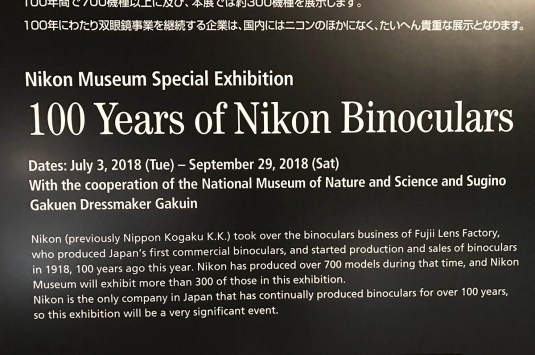 This is a special exhibit showcasing Nikon’s significance in the Japanese optical industry. Nikon’s history in making Asia’s (and the world’s) firsts cannot be denied and this should give visitors a good idea of just how important Nikon was in the beginning of the last 100 years, you can think of it as Asia’s Carl Zeiss. More
06 Sep 2018
by richardhaw
in nikon,lens repair,lens maintenance,nikon repair,, Nikon,museum,classic lenses,, Uncategorized
Hello, everybody! I’m lazy today and I do not have the motivation to make myself a fresh cup of coffee so I went out and bought some instant coffee to give me that caffeine boost. I am aware that some people simply add cream and sugar to yesterday’s coffee to make it a bit more palatable but I would rather drink canned coffee than that. Re-heating food or beverages from last night isn’t good at all but there are some foods that tastes better this way like curries and stews. Some sauces also benefit from being “fermented” over-night, making its taste more intense (sambal is a good example). This “recycling” also happens with lenses and I will show you a lens that was given the same treatment by Nikon and it became the ultimate version of that lens formula. This is what lens manufacturers do if they ran out of things to show so they just “heat yesterday’s curry” so to speak. It’s better than nothing, I suppose.
Introduction:
The New-Nikkor 50mm f/1.4 v1 is an update of the venerable Nikkor-S 50mm f/1.4 Auto. It has the Nikkor-S 50mm f/1.4 Auto’s optical formula but the lens barrel was updated so the look is more in-line with the New-Nikkor series of lenses that appeared in the ’70s. Nikon gave most of its lenses a cosmetic update in this era to make them look more modern and some were even given new lens formulas to go along with it. I’m guessing that Nikon did not make it on time to introduce the New-Nikkor 50mm f/1.4 v2 so they had to sell this in its place as a stop-gap product. Yes, it’s like the Honda Civic in recent times. This lens was only made for less than 2 years and was replaced by the New-Nikkor 50mm f/1.4 v2 after. This confuses some people because there are 2 versions in the New-Nikkor line and they are both in the 50/1.4 class. In fact, some people do not even know that this lens exists!
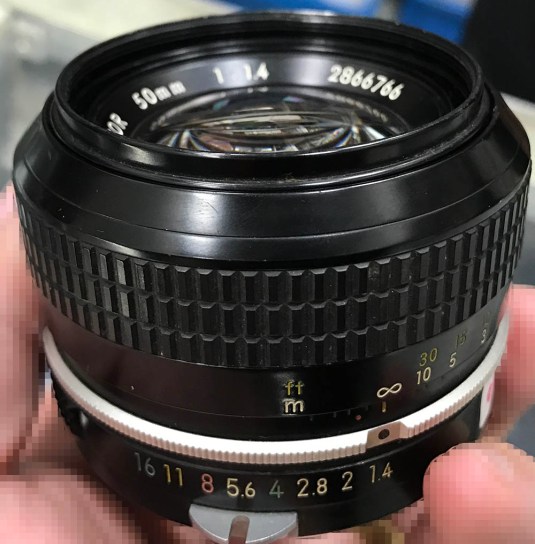 The New-Nikkor 50mm f/1.4 v1 is just as big as the Nikkor-S.C 50mm f/1.4 Auto and that’s a big lens by older Nikkor standards. This lens feels confident in your hands and the added weight will add stability to your setup. Despite being huge, this lens is balanced so it does not feel heavy at all when mounted to a camera. Its girth is a bit too big for my taste but I am sure that some people will enjoy the fat focusing ring. Videographers might want this lens for their setup just because of the big focusing ring. More
03 Sep 2018
by richardhaw
in nikon,lens repair,lens maintenance,nikon repair,, Nikon,museum,classic lenses,, Uncategorized
Hello, everybody! Nikon has been sysnonymous with toughness and adventure. Plenty of adventurers have trusted Nikon and brought their cameras to their adventures because they know that a Nikon will survive the journey and tell their tales in pictures. Today, I’ll introduce to you one such adventurer. He lived a short life but left a lasting legacy.
Introduction:
Growing up, I sometimes see features on this man named Uemura Naomi. He’s likened to Jacques-Yves Cousteau of Calypso but he’s a mountaineer. His name is widely-know and people still study his techniques that he pioneered on his dangerous journeys. He almost always go on extended and dangerous journeys alone and he is known for achieving lots of feats alone and setting some of the records that still hold to this day. Let me introduce to you this amazing man and his connection to Nikon in this article!
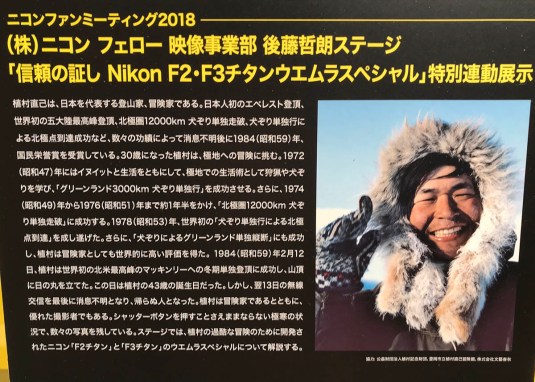 Uemura Naomi is went missing in his last expedition and was last contacted in 1984/2/13, he was never found. He left a legacy amongst adventurers and is considered a hero in his hometown (Hyogo, Japan) where memorials were built to remember him. His influence can be felt to this day as adventurers study his books and work for reference. He left us in the prime of his life at only 43 years of age. Very much like Bruce Lee and others who left us early, he became a legend and people still make books and stories about him. More
26 Aug 2018
by richardhaw
in nikon,lens repair,lens maintenance,nikon repair,, Nikon,museum,classic lenses,, Uncategorized
It’s that time of the year again! This year’s Shinjuku Classic Camera Bazaar was a held at the usual Takashimaya department store in Shinjuku and lasted from 8/15 to 8/21. It was a week of chaos and shopping and I have found a few good deals here. Read my article to see what this is all about and I hope that I can inspire you to come to Tokyo next year to shop in next year’s Shinjuku Classic Camera Bazaar!
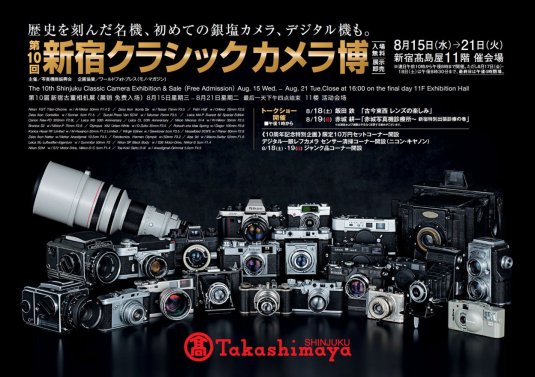 This is the poster for this year’s bazaar! If you haven’t seen my report on last year’s event then please read my article for the 9th Shinjuku Classic Camera Bazaar. People come here from all of Japan and beyond to shop in Tokyo’s biggest used photgraphy equipment and accessories bazaar. It has been going on for years now and it looks like it won’t go out of supporters any time soon.
More
19 Aug 2018
by richardhaw
in nikon,lens repair,lens maintenance,nikon repair,, Nikon,museum,classic lenses,, Uncategorized
Hello, everybody! Some things aren’t easy to find and you must take the time to look for them. They can be buried beneath the earth or under the sea and looking for them takes a lot of time and effort. Things such as diamonds are extracted in this manner and this is what makes them valuable. Today, I am going to introduce to you a hidden treasure mine located underneath the bowels of Ginza near Yurakucho and it’s called Diamond Camera (ダイヤモンドカメラ)! It’s located at the basement of an office block so many people don’t know about it but it’s worth finding the shop if you are looking for some rare things like that little accessory that you have been hunting for years, you can try your luck and see if you can find that here. Even if you don’t you will enjoy the trip to this little shop.
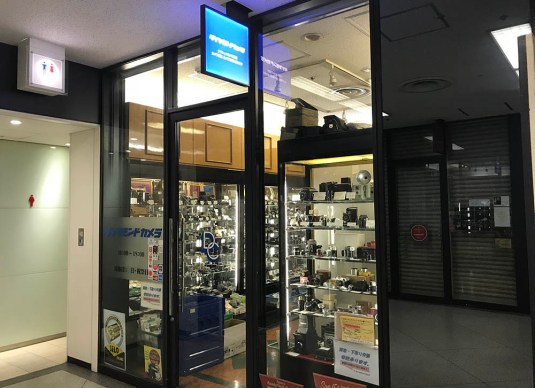 This is the entrance of Diamond Camera. You can see through the glass that it’s packed to the ceiling with good stuff. Their inventory isn’t as big as most of the shops in Tokyo but I do find treasures here at times, some of them are quite rare! More
12 Aug 2018
by richardhaw
in nikon,lens repair,lens maintenance,nikon repair,, Nikon,museum,classic lenses,, Uncategorized
Hello, everybody! It’s still hot here in Tokyo and the humidity is too high for me to work on cameras and lenses so I have a couple of weeks’ worth of backlog that I have to work on once the weather gets cooler. The heat makes me want to cut my hair short, that will also make me look more presentable so I can attract the attention of the opposite sex. I’m married but that isn’t an excuse for me to neglect my grooming. I need a new look so that I will have a fresh feeling each time I go out of the house and head to work. We all need a make-over some time. Speaking of make-overs, I will show you something that had a big revision and it turned out to be a big success for Nikon!
Introduction:
The New-Nikkor 50mm f/1.4 v2 is Nikon’s 2nd 50/1.4 lens design for the Nikon F-mount. Its predecessor is the New-Nikkor 50mm f/1.4 v1 which is simply a Nikkor-S 50mm f/1.4 with a new barrel design and some small improvements. The new optical design is compact, it is roughly 20% smaller but the bigger news is it out-performed the older design. The new design was so good that Nikon ended up using it up until the AF-Nikkor 50mm f/1.4D with new coatings and undoubtedly very minor adjustments to its lens formula. This is quite a big feat because the AF-Nikkor 50mm f/1.4D is still being made and sold as new today! It debuted in 1976 so the design is still being used 42 years after it was introduced! I don’t know when will Nikon stop producing it but there’s still demand for it because there will always be people who will want to use a lens with a proper aperture ring. This lens looks a lot like its successor, the Nikkor 50mm f/1.4 Ai and as a consequence many people think that they’re the same lens. You can think of it that way but there are small variations that make them different and these differences will only matter to collectors.
Before I forget and if it didn’t seem obvious to you, I am calling this lens the v2 because it shares the same name with the older one which I am calling the v1, people get confused when talking about this lens because they’re both called New-Nikkor 50mm f/1.4 or some people call them Nikkor 50mm f/1.4K. This confuses people and even a few collectors, too! It can get so confusing that some people aren’t even aware that either version existed. It’s common to get into a discussion where people will call the New-Nikkor 50mm f/1.4 v2 as the Nikkor 50mm f/1.4 Ai. Some people will even get into arguements about which lens is the topic of their conversation and realizing that they’re talking about the same lens.
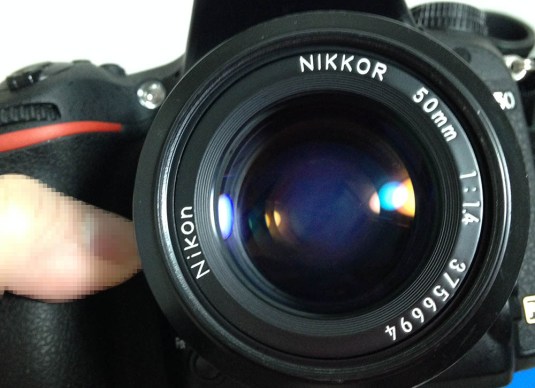 The New-Nikkor 50mm f/1.4 v2 is a fine lens. I got this one as a junk with seized helicoids, the optics were also dirty as you can see from the picture above. The good news was the coating is intact and you can see its beautiful blue tint clearly. Nikon’s coatings are tough, the technology was developed during the war to coat periscopes for submarines.
More
06 Aug 2018
by richardhaw
in nikon,lens repair,lens maintenance,nikon repair,, Nikon,museum,classic lenses,, Uncategorized
Here we are at the last part of our Nikon S series. In part 1 and part 2, I showed you how to take this camera apart and put it back together and I will show you how to replace the shutter fabrics in this part. By this time, there are many Nikon S camera with bad shutter curtains that needs to be replaced. Age and wear have turned their shutters to brittle and useless strips of fabric so it’s only fitting that we do a proper shutter replacement so they will still function properly for the years to come. These cameras will keep on shooting by the day we have breath our last because they are simple and that’s just part of the appeal of using a classic camera. Despite its cheap reputation when it came out, there is nothing cheap about the Nikon S because it earned its name in the Korean War which was one of the harshest conflicts in modern times. Its rivals froze and stopped working while these kept shooting in the brutal Korean winter. The toughness of these cameras allow them to survive to this day in various states of decay but don’t worry, they can be restored so long as the they can be cleaned and maintained. This is the beauty of simplicity!
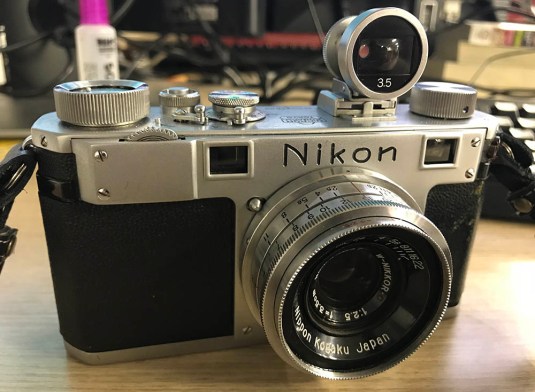 The best feeling you can get is when you have restored a camera back to working order. I sometimes feel like crying each time I see the first developed roll showing that the work I did is correct. Not only have I saved a camera from being a junk but I also saved a part of photographic history and keep it working for more decades to come. Needless to say, this camera may out-live us all if it was kept in perfect working order. More
28 Jul 2018
by richardhaw
in nikon,lens repair,lens maintenance,nikon repair,, Nikon,museum,classic lenses,, Uncategorized
Hello, everybody! Tokyo’s heat wave was declared a national disaster by the government and the typhoon that we have now makes everthing a lot cooler. This makes me crave for some nice sushi! I just had a nice bowl of sushi yesterday but I just can’t have enough! It’s a nice and nourishing meal but it can get boring at times so I had a different style and it’s called “chirashizushi” where all the bits and seafood are all scattered on top of vinegared rice. You can think of it as deconstructed sushi if you want. This allows me to enjoy sushi in a different way, think of it as repackaging a classic in order to make it appeal to other people who wanted something new. Speaking of changing the presentation of a classic to make it appear “new” again I would like to show you something similar today.
Introduction:
Today’s featured lens is the awesome Nikkor 35mm f/2 Ai lens! I love this lens so much, it is part of my regular kit when I want something practical to bring with me. The 35/2 line of lenses had a long production run which spanned from the 1960s up until about 2005. I can only imagine how much money Nikon made from these because I don’t think that the optical formula changed much throughout the decades. This is just a testament to how it was designed back then for something like this to stand the test of time.
The Nikkor 35mm f/2 Ai is the successor of the amazing Nikkor-O 35mm f/2 Auto lens. The optical design wasn’t revised as far as I can tell but I am guessing that Nikon made a few small corrections to the design such as curvature and spacing. Nikon does this sometimes in the middle of production without telling anybody.
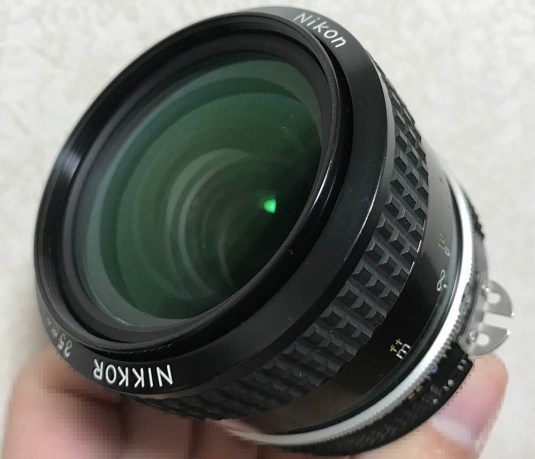 This is a very beautiful lens. Its simple lines are elegant and the rubber grip is useful for people who wear gloves or when shooting in cold weather. An all-metal focusing ring is going be uncomfortable to hold when it gets cold. Take it from me, I used to shoot in the winter a lot. The size is just right and it makes it easy to hold, the lens also feels dense so it reeks of quality. It’s true what they say, they don’t make lenses like this these days. More
Previous Older Entries Next Newer Entries


